Skip to content


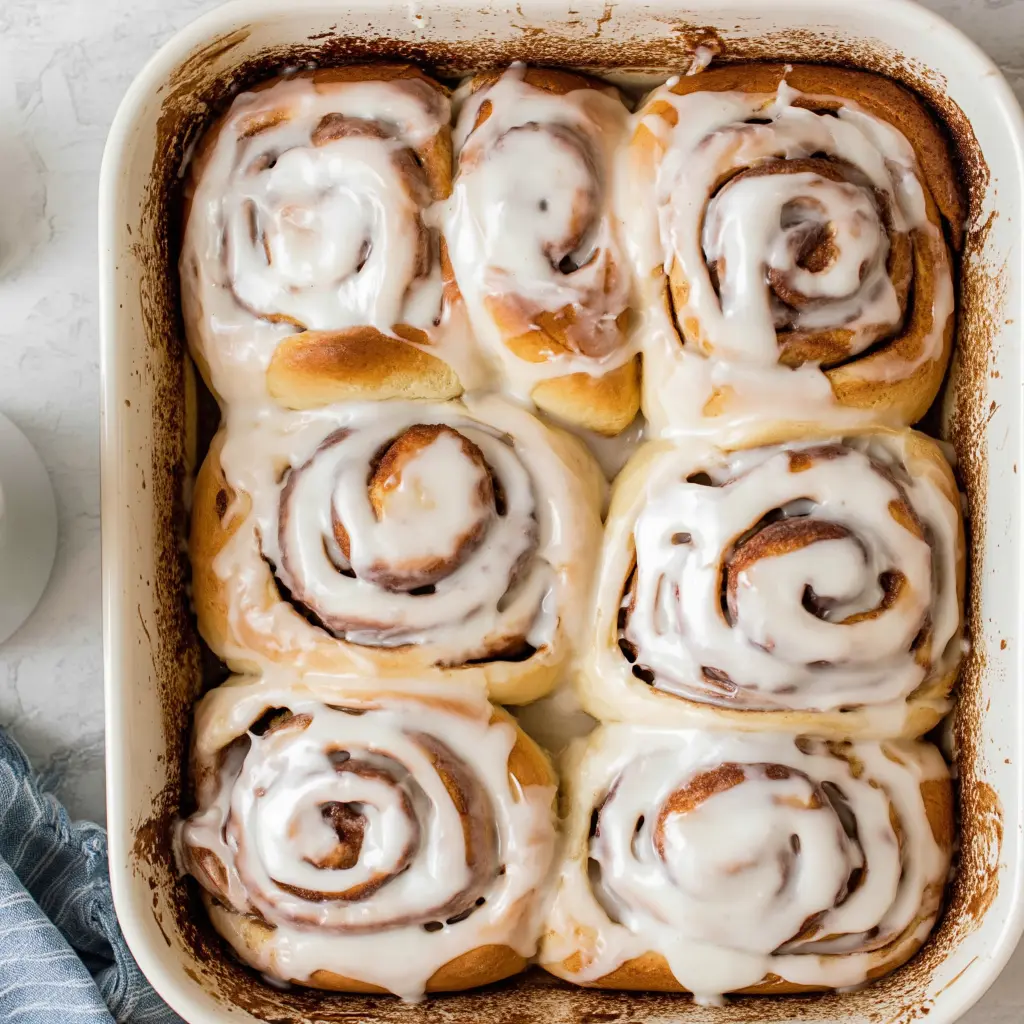
Some recipes ask for patience and pay you back for every minute of it. Amish cinnamon rolls are exactly that kind of bake. They are soft, sweet, generously swirled with brown sugar and cinnamon, and finished with a vanilla icing that settles into the warm tops. This version has an extra touch that makes them stand out: warmed evaporated milk gets poured over the rolls before baking, which gives them a richer, softer finish.
These are not quick cinnamon rolls, and that is part of the point. The dough gets time to rise properly, which gives it that pillowy texture you want when you pull a roll apart. The filling is simple, but it does not need to be fancy. Melted butter, brown sugar, and cinnamon do the real work here, and they do it well.
The batch is generous too. That makes this recipe a strong pick for holidays, brunch, weekend baking, or any day when you want a pan of something warm and sweet sitting in the kitchen. They feel old-fashioned in the best way, but the texture stays lush and soft enough to remind people why homemade cinnamon rolls still beat the bakery case.
What makes this recipe so yummy
The dough is the first big reason. It uses warm water, sugar, yeast, salt, oil, flour, and evaporated milk, which gives you a dough that rises well and rolls out nicely. It is soft without being fussy, and that matters a lot when you are shaping a large batch.
Then comes the filling. Brown sugar and cinnamon bring the classic flavor people expect, but the real charm is how those two ingredients melt into the butter as the rolls bake. That is what gives you sticky spirals and those sweeter patches in the center of each roll.
The evaporated milk step makes this version especially memorable. It is not described as a traditional Amish step in the notes, but it is the twist that adds extra gooeyness. A little goes on before the second rise and a little more before baking. That keeps the rolls tender and helps create that soft, rich texture people chase in a cinnamon roll.
The icing seals the deal. Butter, powdered sugar, vanilla extract, and evaporated milk come together in a simple topping that belongs on warm rolls. When spread over them while they are still a little warm, it melts just enough to settle into the ridges without disappearing completely.
Recipe variations and substitute ideas
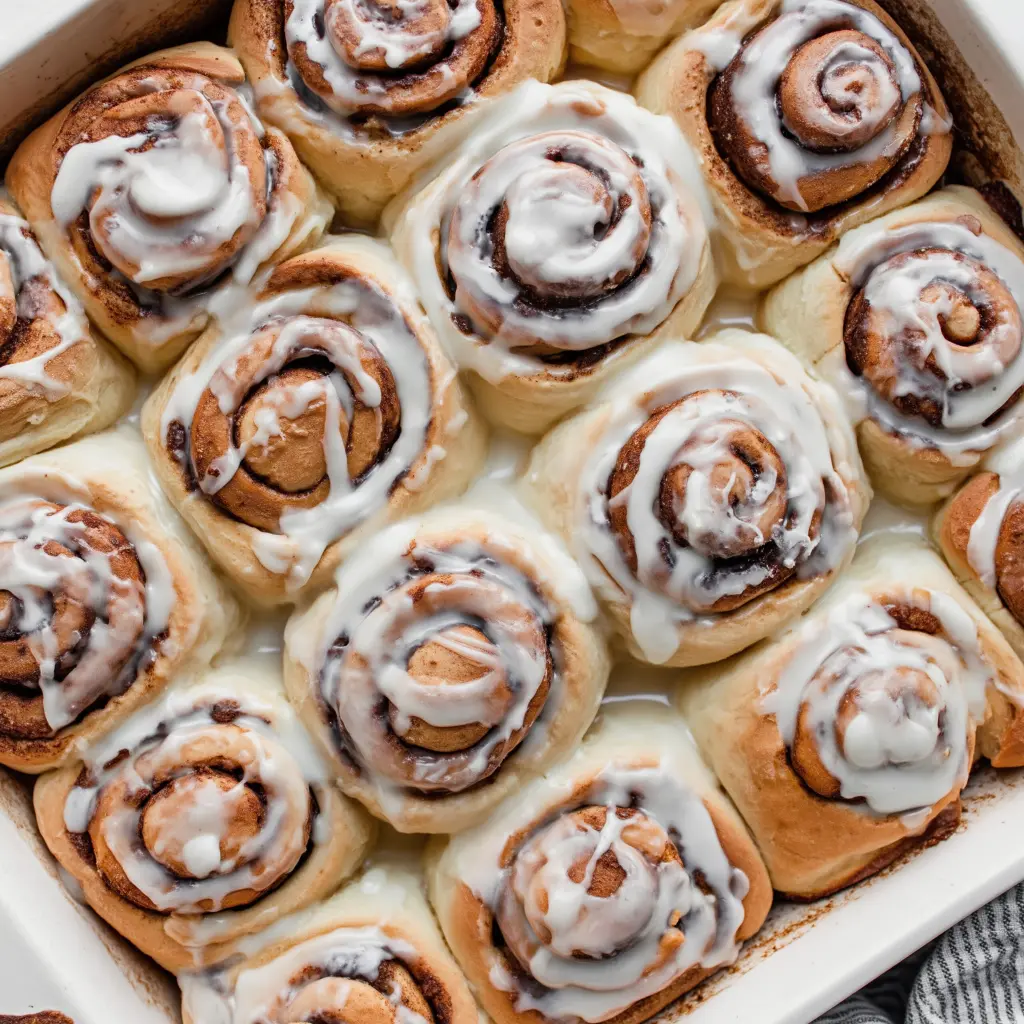
This recipe is already full and satisfying as written, so any changes should stay close to the original character. One easy choice is adjusting how much icing goes on top. Some people like a thick blanket of icing, while others want just enough to glaze the tops and let the cinnamon spirals show through.
You can also think about how dark you want the filling to taste. The recipe calls for light brown sugar, which gives the rolls sweetness and a soft caramel feel without turning the filling too dark or heavy.
Another place to make the recipe your own is in how you bake and serve the rolls. You can keep them snug in the pan for softer sides, or place them with a bit more room if you want the edges to brown more. Both ways work, but the close-set pan style is especially nice for soft pull-apart rolls.
The main advice here is not to tinker with the yeast dough unless you already know exactly what change you want to make. This is the kind of recipe that rewards staying close to the original process.
Necessary gear: Equipment
A stand mixer is especially helpful here because this is a large dough. The dough hook does the first round of work and saves your hands some effort, especially while the flour gets incorporated and the dough starts to smooth out.
You will also want glass mixing bowls, a rolling pin, and a 13×9 baking dish. The bowls help keep the process tidy, especially when you are mixing the filling and icing separately. The rolling pin matters because this dough needs to be rolled into a long rectangle, and keeping the shape fairly even helps the slices bake more evenly.
A sharp knife is also useful, even though it is not listed in the equipment card. The instructions call for cutting the roll into slices, and a clean cut helps the spirals hold their shape before the second rise.
This is not complicated baking, but it does ask for a little setup. Once your station is ready, the recipe feels much calmer.
How to make Amish cinnamon rolls
Start by waking up the yeast. Add the warm water, sugar, and yeast to the bowl of a stand mixer, stir slightly, and let it sit for about 5 minutes. You are looking for bubbles. That bit of activity tells you the yeast is alive and ready to do its job.
Next add the oil and salt, then mix with the dough hook for a minute. Begin adding the flour little by little until the dough is incorporated. Let the hook work the dough briefly on low speed. You are not after a sticky, slack dough here. According to the recipe, it should come away from the bowl and your fingers without being too sticky.
Once the dough feels right, spray the bowl and return the dough to it. Cover it with a kitchen towel and let it rise in a warm place for about 2 hours, or until doubled in size. This is the quiet part of the recipe, but it matters as much as the mixing.
After the first rise, punch the dough down and take half of it to a well-floured surface. Roll it into a long rectangle, pour over half the melted butter, and sprinkle on half the cinnamon-sugar mixture. Press lightly, then roll it up from the long side.
Cut the log into slices and place them in a greased 9×13-inch baking dish. Pour 1/4 cup of warmed evaporated milk over the rolls, let them rise again for 30 minutes, then add the remaining warmed evaporated milk before baking at 350°F for 20 to 25 minutes.
When the rolls come out, let them cool a little. Mix the icing and spread it over the tops while they are still slightly warm. That warmth helps the icing settle beautifully without vanishing.
How to store leftovers
Once the cinnamon rolls have cooled, keep them covered so they stay soft. That is the main thing. Cinnamon rolls lose their magic faster when they are left exposed to air than when they are tucked away properly.
For reheating, a quick warm-up brings back a lot of their just-baked feel. You do not need to overheat them. A little warmth is enough to soften the icing and wake up the cinnamon filling again.
These are also the kind of rolls that feel special the next morning with coffee or tea. Since this recipe makes a large amount, leftovers are not a problem. They are part of the reward.
Frequently asked questions: FAQs
Why do I need to check for bubbles in the yeast mixture?
Because that is your first sign the yeast is active. If the mixture froths and bubbles, you can move on with confidence. If it does not, the recipe notes that you may need to wait a little longer or use a new batch of yeast.
What does the evaporated milk do?
The notes say this step is added to make the rolls extra gooey and delicious. It is the special twist in this version.
Why does the dough rise twice?
The first rise builds structure and softness in the dough. The second rise helps the sliced rolls puff back up in the pan before they bake.
Should I ice the rolls while hot?
Not fully hot. The recipe says to spread the icing over the rolls while they are still a little warm. That gives you the best texture on top.
How many rolls does this recipe make?
The recipe card says 24 servings, and the notes add that the recipe makes two batches of cinnamon rolls, about 12 to 16 rolls.

- 15-Minute Chicken Caesar Wrap - May 11, 2026
- Nutella Stuffed Cookies - May 10, 2026
- Honey Glazed Salmon That Makes Dinner Feel Easy - April 28, 2026