Skip to content


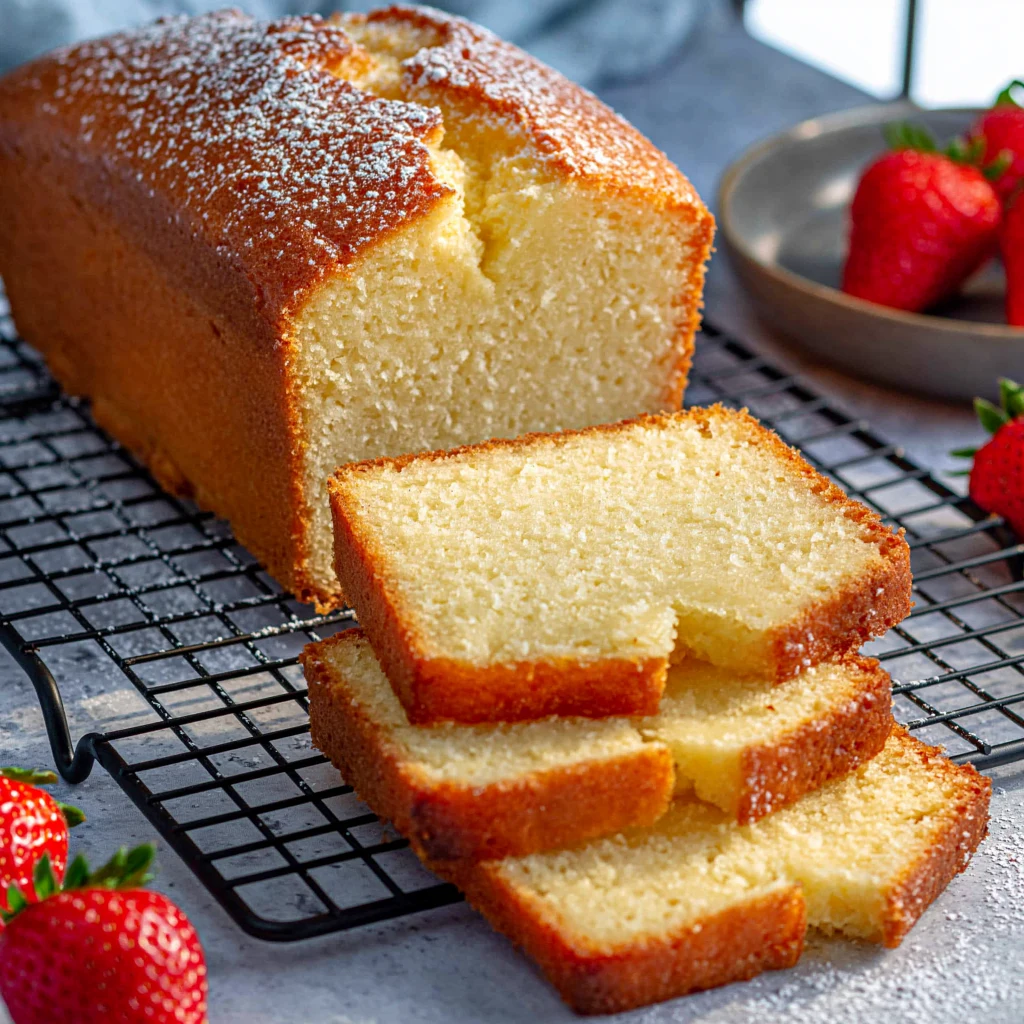
Butter cake is one of those recipes that proves simple ingredients can still make something deeply satisfying. This loaf-style butter cake uses pantry basics like butter, sugar, eggs, flour, baking powder, salt, milk, and vanilla, yet the finished result feels rich, soft, and comforting. It is the kind of cake that does not need a complicated finish to feel special. A thick slice on its own already delivers everything people usually want from a homemade cake: tender crumb, full buttery flavor, and a texture that feels right with coffee, tea, or as an afternoon treat.
The beauty of this butter cake is that it stays grounded in classic baking. You cream butter and sugar, add eggs one at a time, fold in the dry ingredients with milk, then bake until a toothpick comes out clean. Nothing about it is flashy, but that is part of the charm. It is the kind of recipe that rewards careful mixing and good timing rather than a long list of add-ins.
A Classic Butter Cake Recipe
A classic butter cake recipe earns its place by being reliable. This one does that well because it follows a familiar structure that home bakers can trust. Softened butter and room-temperature eggs help the batter come together smoothly, while alternating the dry ingredients and milk keeps the texture tender instead of dense.
Because the recipe is baked in a 9×5-inch loaf pan, it also feels approachable. There is no layering, no frosting step, and no extra decoration required. Once the cake is baked and cooled, it is ready to slice and serve. That makes it a practical choice for a quiet weekend bake, a simple dessert, or a cake to keep on the counter for a couple of days.
It is also a recipe with broad appeal. Some cakes depend on fillings, syrups, or toppings to feel complete. Butter cake does not. The flavor comes straight from the batter, which is why technique matters so much here.
Ingredients
The ingredient list is short, and every item has a clear role. Unsalted butter brings the signature flavor and richness. Granulated sugar sweetens the cake and helps with that light creamed texture when beaten with the butter. Eggs add structure and contribute to the moist crumb, while vanilla gives the batter warmth.
All-purpose flour forms the body of the cake. Baking powder lifts it, and salt keeps the sweetness balanced. Milk brings the batter together and helps the final crumb stay soft instead of dry.
Because this is a classic butter cake, there are not many ingredients to hide behind. That is why the notes about softened butter, room-temperature eggs, and avoiding overmixing are so helpful. With a straightforward loaf cake, the little details show up in the final texture.
Pro Tip
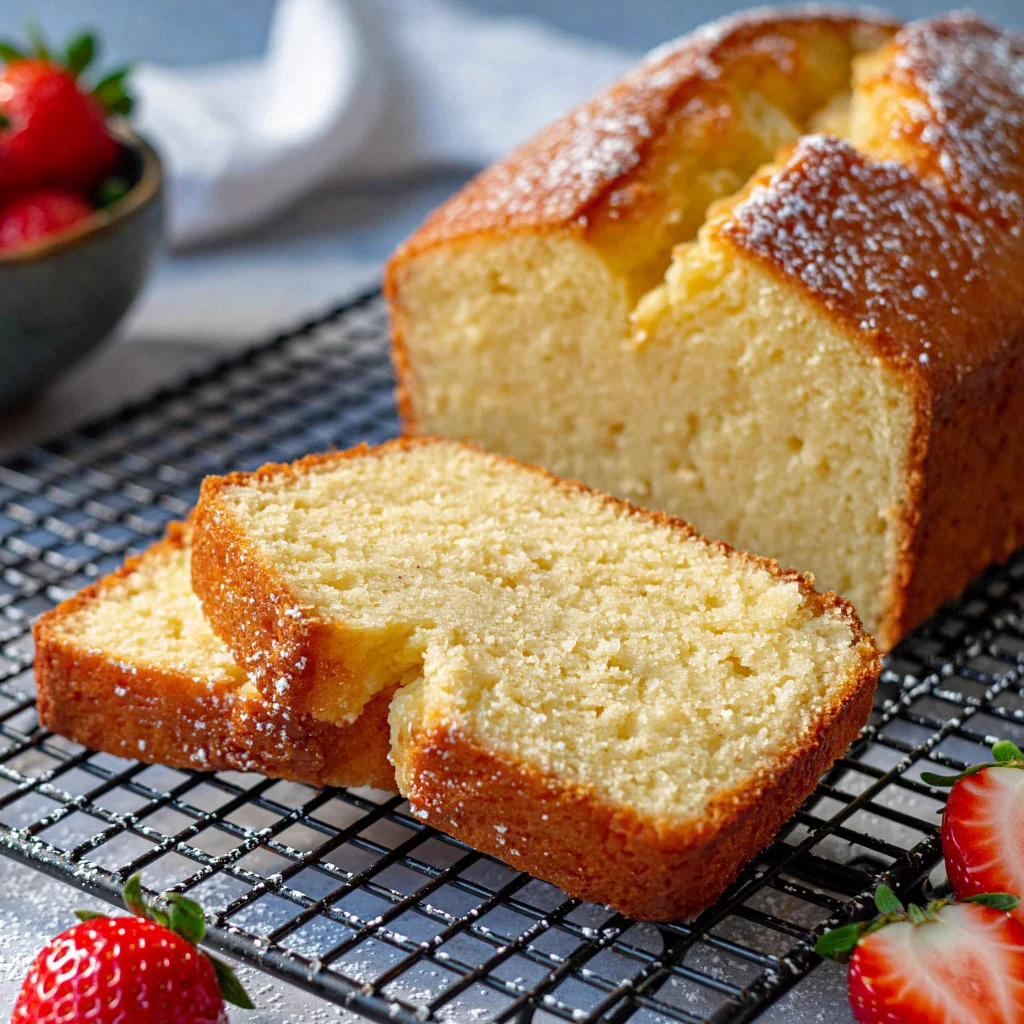
The biggest pro tip in this recipe is to respect temperature and mixing. Softened butter creams more smoothly with sugar, and room-temperature eggs blend into the batter more easily than cold ones. That helps create a batter that looks even and airy instead of thick or curdled.
The other big tip is to stop mixing once the dry ingredients are incorporated. Overmixing develops too much structure in the batter, which can make a loaf cake feel heavier than it should. Butter cake should feel tender and slice cleanly, not tight or rubbery.
If you want a quick food-safety refresher while baking, the USDA shell egg guide is a handy reference for keeping eggs properly refrigerated until you are ready to use them.
How To Make Butter Cake
Preheat And Prep
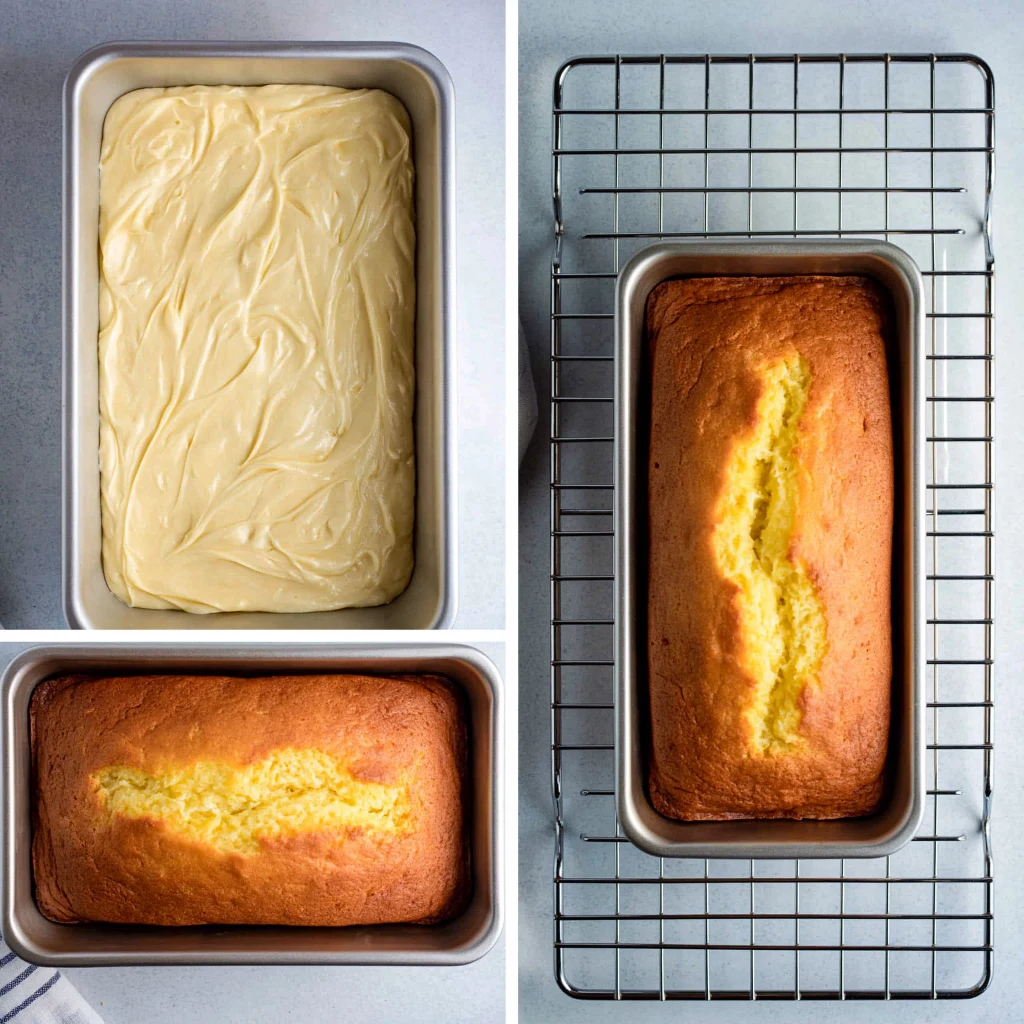
Set the oven to 350°F (175°C) and prepare the loaf pan by greasing and flouring it, or lining it with parchment paper and leaving overhang for easy removal. This early step matters more than it seems. A well-prepared pan makes the loaf easier to release and helps keep the finished cake intact.
Cream The Butter And Sugar
In a large bowl, cream the softened butter and granulated sugar until the mixture is light and fluffy. This stage helps build the texture of the cake. When butter and sugar are beaten well, the batter starts with a lighter base, and that makes a difference in the final crumb.
Add Eggs And Vanilla
Add the eggs one at a time, beating well after each addition, then mix in the vanilla. This gradual method keeps the batter smooth and gives each egg time to blend in fully.
Mix Dry Ingredients
In a separate bowl, sift together the flour, baking powder, and salt. Mixing them first helps the leavening and salt distribute more evenly through the batter.
Combine Wet And Dry Ingredients
Add the dry ingredients to the butter mixture gradually, alternating with the milk. Start and finish with the dry ingredients, and mix only until just combined. This is where restraint matters. A gentle hand keeps the cake tender.
Bake The Cake
Spread the batter evenly in the prepared pan and bake for 45 to 50 minutes. A toothpick inserted into the center should come out clean when the cake is done. Ovens vary, so it is smart to start checking near the lower end of that range.
Cool And Serve
Let the cake cool in the pan for about 10 minutes, then move it to a wire rack to cool completely. Once cooled, slice and serve. That full cooling step helps the crumb set, which makes the slices neater and the texture more pleasant.
How To Serve
This butter cake is easy to serve because it does not need much around it. Thick slices are enough. It works well as a simple dessert, with tea or coffee, or as a cake you set out for guests without needing an elaborate finish.
Because the texture is rich but still soft, it fits a lot of moments. It can feel casual on a weekday and still feel worthy of sharing when company comes by. That kind of flexibility is part of why classic loaf cakes stay popular.
If you are putting together a dessert table, classic chocolate lava cake, no-bake cheesecake with berries, and the full Desserts category all fit naturally beside a loaf cake like this.
Frequently Asked Questions
Can I make this cake ahead of time?
Yes. This butter cake is a good make-ahead option because it is designed to cool fully before slicing and does not rely on a fresh topping or filling.
What can I use if I don’t have a loaf pan?
The recipe is written for a 9×5-inch loaf pan, so that is the confirmed pan. If you are baking it for best results, sticking with that pan keeps the timing and shape consistent with the recipe as written.
Why did my cake sink in the middle?
A butter cake can lose structure when the batter is disturbed by overmixing or when the cake is removed before it is fully baked. Using the toothpick test at the center is the simplest way to check for doneness.
How can I tell when the butter cake is perfectly baked?
The recipe gives a clear sign: a toothpick inserted into the center should come out clean. That is the cue to look for near the end of the bake.
Expert Tips
Greasing the pan well or lining it with parchment paper is one of the most useful notes in the recipe because it saves you from a loaf that sticks or breaks. The note about room-temperature ingredients is just as important. Small loaf cakes can be forgiving, but they still bake better when the batter comes together smoothly from the start.
Another smart tip is to fold the dry ingredients in gently. Butter cake is not complicated, but it does respond to careful handling. The batter should be mixed enough to combine, not beaten endlessly once the flour is added.
Storing Leftover Cake
The storage note is simple and practical: keep leftovers in an airtight container at room temperature. That helps the cake stay moist and pleasant for later slices. Since this butter cake already has a rich crumb, proper storage keeps it from drying out and lets it stay just as inviting the next day.
A good butter cake often feels even better once it has fully settled, so saving a few slices is never a bad outcome.
Butter Cake
Equipment
- KitchenAid Hand Mixer
- 9x5x3-inch Loaf Pan
- Parchment Paper
Ingredients
- 1 cup unsalted butter softened
- 1½ cups granulated sugar
- 4 large eggs room temperature
- 1 teaspoon vanilla extract
- 2 cups all-purpose flour
- 1 teaspoon baking powder
- ¼ teaspoon salt
- ½ cup milk
Instructions
- Preheat the oven to 350°F (175°C). Grease and flour a 9×5-inch loaf pan, or line it with parchment paper, leaving some overhang for easy removal.
- In a large mixing bowl, cream together the softened butter and granulated sugar until light and fluffy, using a hand mixer or stand mixer.
- Add the eggs one at a time, beating well after each addition. Mix in the vanilla extract until well combined.
- In a separate bowl, sift together the all-purpose flour, baking powder, and salt.
- Gradually add the dry ingredients to the wet mixture, alternating with the milk. Begin and end with the dry ingredients, mixing until just combined after each addition. Be careful not to overmix.
- Pour the batter into the prepared loaf pan, spreading it evenly with a spatula.
- Place the loaf pan in the preheated oven and bake for 45 to 50 minutes, or until a toothpick inserted into the center comes out clean.
- Allow the cake to cool in the pan for about 10 minutes, then transfer it to a wire rack to cool completely before slicing.
- Once cooled, slice the butter cake into thick slices and serve.
Notes

- 15-Minute Chicken Caesar Wrap - May 11, 2026
- Nutella Stuffed Cookies - May 10, 2026
- Honey Glazed Salmon That Makes Dinner Feel Easy - April 28, 2026