Skip to content


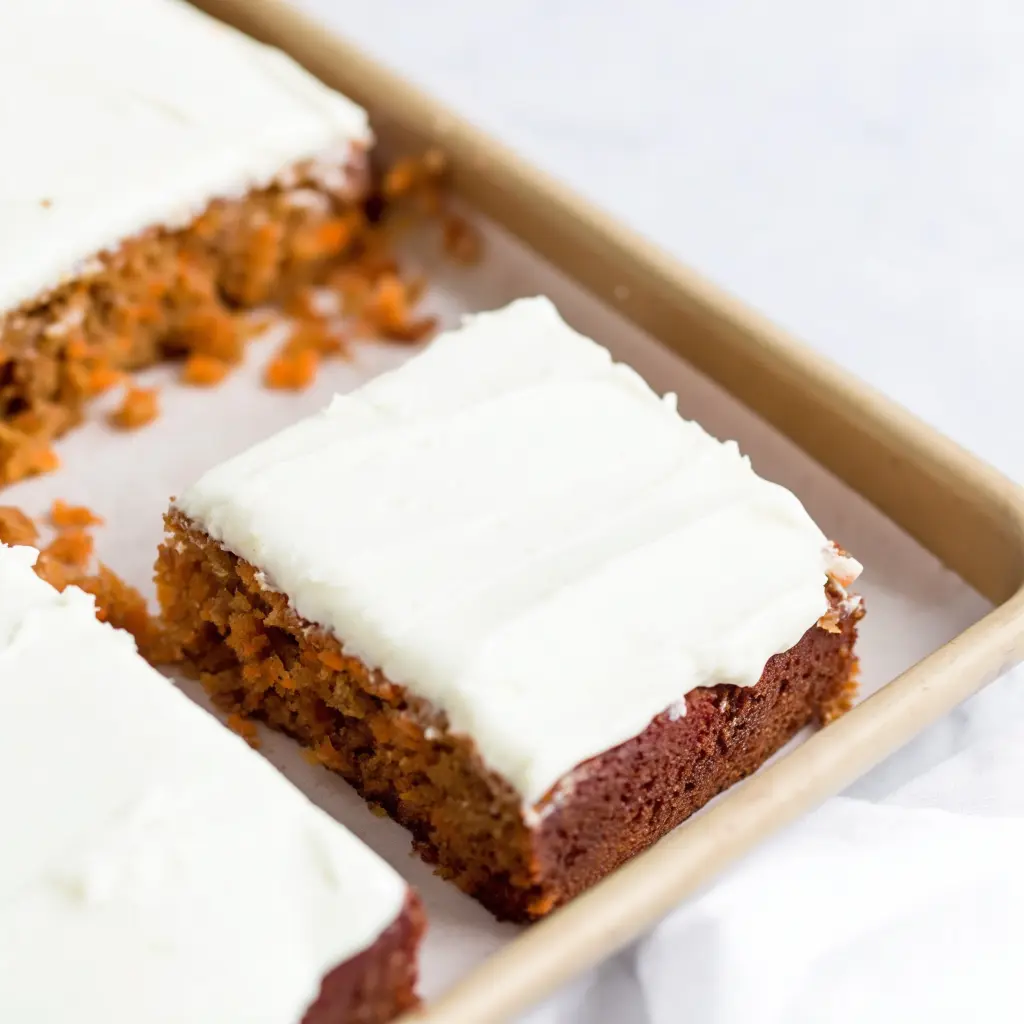
Carrot cake has a way of feeling both familiar and special at the same time, and this one keeps that feeling front and center. It is deeply spiced with cinnamon, packed with grated carrots, and baked in a simple 9×13 pan, which makes it a very practical cake to bring to a gathering or keep on the counter for a few days of easy slicing. Once it cools and gets a thick layer of cream cheese frosting, you have the kind of classic bake people come back for without needing much of a sales pitch.
What makes this carrot cake stand out is how direct the method is. There is no long list of add-ins to sort through and no layered assembly to worry about. You mix the dry ingredients, blend in the oil, eggs, and carrots, then bake until the center passes the toothpick test. That straightforward method is part of the charm. The recipe gives you a soft, moist cake with warm spice and a tender crumb, but it does so in a way that feels calm and doable.
If you have been looking for a carrot cake that stays close to the classic idea of what people want from the name, this is a good one to keep nearby. It is moist, sweet, warmly spiced, and built for a generous swipe of cream cheese frosting. For birthdays, potlucks, holidays, or an ordinary weekend when you want something comforting, this cake fits the moment beautifully.
What makes this carrot cake such a keeper
There are plenty of ways carrot cake can go, but the most satisfying versions usually get the basics right first. This recipe does that. It starts with flour, sugar, baking soda, cinnamon, and salt for a balanced base. Then it uses canola oil rather than butter, which is one of the main reasons the cake bakes up moist and stays that way. Four eggs bring structure, and a full three cups of packed grated carrots give the batter its character, colour, and soft texture.
That balance between sweetness, spice, and moisture is what gives carrot cake its wide appeal. The cinnamon is present enough to make the cake smell like something worth baking, but it does not crowd out the taste of the carrots. The oil gives the crumb softness, while the carrots keep it from feeling dry. Once the cake is cooled and frosted, each slice has that rich, tender feel people expect when they hear the words homemade carrot cake.
The pan size matters too. A 9×13 cake feels generous and low stress. You do not have to split layers, trim edges, or line up a tall showpiece. You bake, cool, frost, and cut. That makes this a strong recipe for both beginner bakers and people who simply want a dependable tray cake that tastes like it belongs on a holiday table.
The ingredients that shape the cake
This recipe keeps the list short, which makes it easy to see how each ingredient pulls its weight.
All-purpose flour: This gives the cake its structure without making it heavy. Because carrot cake should feel soft and sliceable, all-purpose flour is a very natural fit here.
Granulated sugar: With two cups in the batter, the cake leans sweet in the traditional carrot cake direction. That sweetness also helps the cake stay soft.
Baking soda: This gives the batter lift and helps the cake rise well in the pan.
Cinnamon and salt: Cinnamon gives the cake its warm spiced note, while salt keeps the sweetness from tasting flat.
Canola oil: Oil is one of the main reasons this carrot cake has such a moist texture. It blends easily into the batter and keeps the crumb tender.
Eggs: Four eggs give the cake body and help bind everything together.
Packed grated carrots: The carrots are not just there for name value. They add moisture, softness, and a gentle earthy sweetness that makes carrot cake feel like itself.
Mixing and baking with confidence
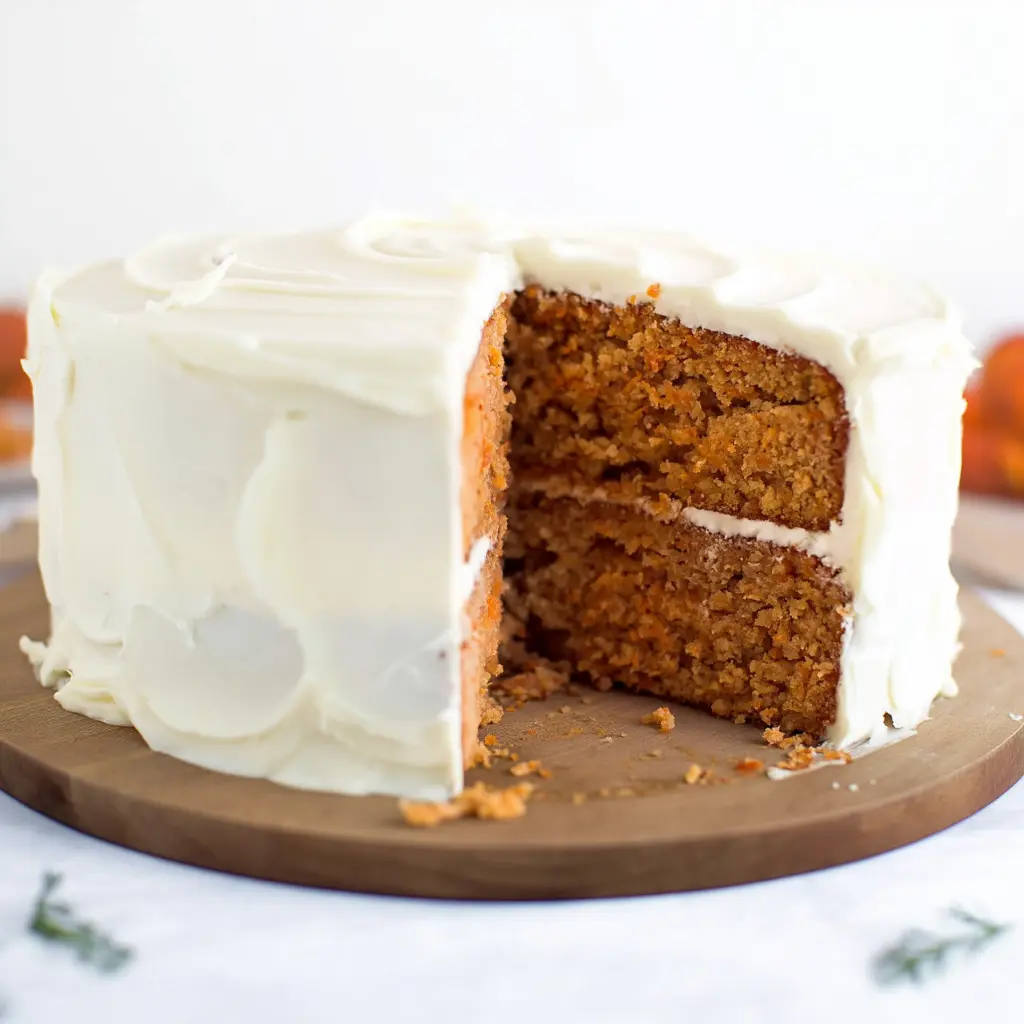
Start by preheating the oven to 350°F (180°C) and spraying a 9×13 pan with non-stick spray. That step sets you up for easy release later, which matters when the cake will be frosted right in the pan or sliced directly from it.
In a large bowl, combine the flour, sugar, baking soda, cinnamon, and salt. Mixing the dry ingredients first helps the cinnamon and baking soda spread evenly through the batter, which leads to a more even bake.
Next, use an electric hand mixer and slowly add in the oil, eggs, and packed carrots. The word slowly is helpful here. When wet ingredients go in bit by bit, the batter comes together more evenly and the carrots are less likely to clump in one area. Once the batter is mixed thoroughly, pour it into the prepared pan.
Bake the cake at 350°F (180°C) for 25 to 35 minutes, or until it passes the toothpick test. Because oven timing can vary, it is smart to start checking on the earlier side of that range and then keep a close eye on it. When a toothpick comes out clean or with just a few moist crumbs, it is ready.
Let the cake cool completely before frosting. That step matters more than people think. If the cake is still warm, the frosting can soften too much and slide rather than sit in a thick, velvety layer.
Finally, ice the cake with your favourite cream cheese frosting. That pairing is classic for a reason. The tangy richness of the frosting works beautifully with the sweet, spiced crumb underneath.
A few details that make a difference
Grating the carrots finely is one of the small things that gives carrot cake a better texture. Large shreds can stay a little too obvious in the batter, while finer shreds settle more neatly into the cake and give you a more even slice.
The baking time range is also worth respecting. Since the recipe gives 25 to 35 minutes, treat the toothpick as your guide rather than the clock alone. Pulling the cake as soon as it is done helps it stay soft. Leaving it in too long can dry out the edges before the center truly needs more time.
Another helpful point is cooling fully before frosting. This is one of those baking habits that sounds basic, but it changes the final look and feel of the cake quite a bit. A fully cooled cake gives you a tidy layer of frosting and cleaner slices.
Serving carrot cake
This carrot cake is the kind of dessert that fits into a lot of settings. Because it is baked in a 9×13 pan, it is easy to cut into squares for a crowd, which makes it especially useful for birthdays, family gatherings, school events, or spring holidays. It also works very well as a make-ahead cake because a frosted tray cake is simple to cover and chill.
The flavour is rich enough for dessert, but the texture is soft and comforting in a way that feels welcome with coffee or tea too. If you like cakes that feel a little nostalgic, this one has that mood. It is not trying to be flashy. It is just very good at being carrot cake.
Storing this simple carrot cake
Once frosted, this cake stores well and can be sliced as needed. If you are making it ahead for a gathering, that is a real plus. The flavours also tend to settle nicely after a little time, so the cake can taste even more rounded on the next day.
Keep the cake covered so it does not dry out. If you have used cream cheese frosting, chilled storage is the practical way to go.
Can you freeze homemade carrot cake?
Yes, carrot cake is often a very freezer-friendly kind of bake, and the soft texture tends to hold up well. You can freeze it after baking and cooling. If you want the neatest finish, many bakers prefer to freeze the cake before frosting, then add the frosting after thawing. That said, the main point here is that this recipe gives you a moist cake base that suits make-ahead baking very well.
Common carrot cake questions
Why does oil work so well in carrot cake?
Oil helps keep the crumb moist and tender. In a cake like this, that texture is one of the biggest reasons people come back for another slice.
Do the carrots make the cake taste like vegetables?
Not in the way people sometimes worry about. The carrots bring moisture, sweetness, and texture more than a strong vegetable flavour.
Why cool the cake before frosting?
A warm cake can soften the frosting too much. Cooling first helps the frosting sit thickly and cleanly on top.
Can I bake this for a crowd?
Yes. The 9×13 pan format is one of the most crowd-friendly parts of the recipe because it is easy to slice and serve.
What kind of frosting suits this cake best?
The recipe itself points to cream cheese frosting, and that is the classic choice. Its tangy richness balances the sweet, spiced cake very well.

- 15-Minute Chicken Caesar Wrap - May 11, 2026
- Nutella Stuffed Cookies - May 10, 2026
- Honey Glazed Salmon That Makes Dinner Feel Easy - April 28, 2026