Skip to content


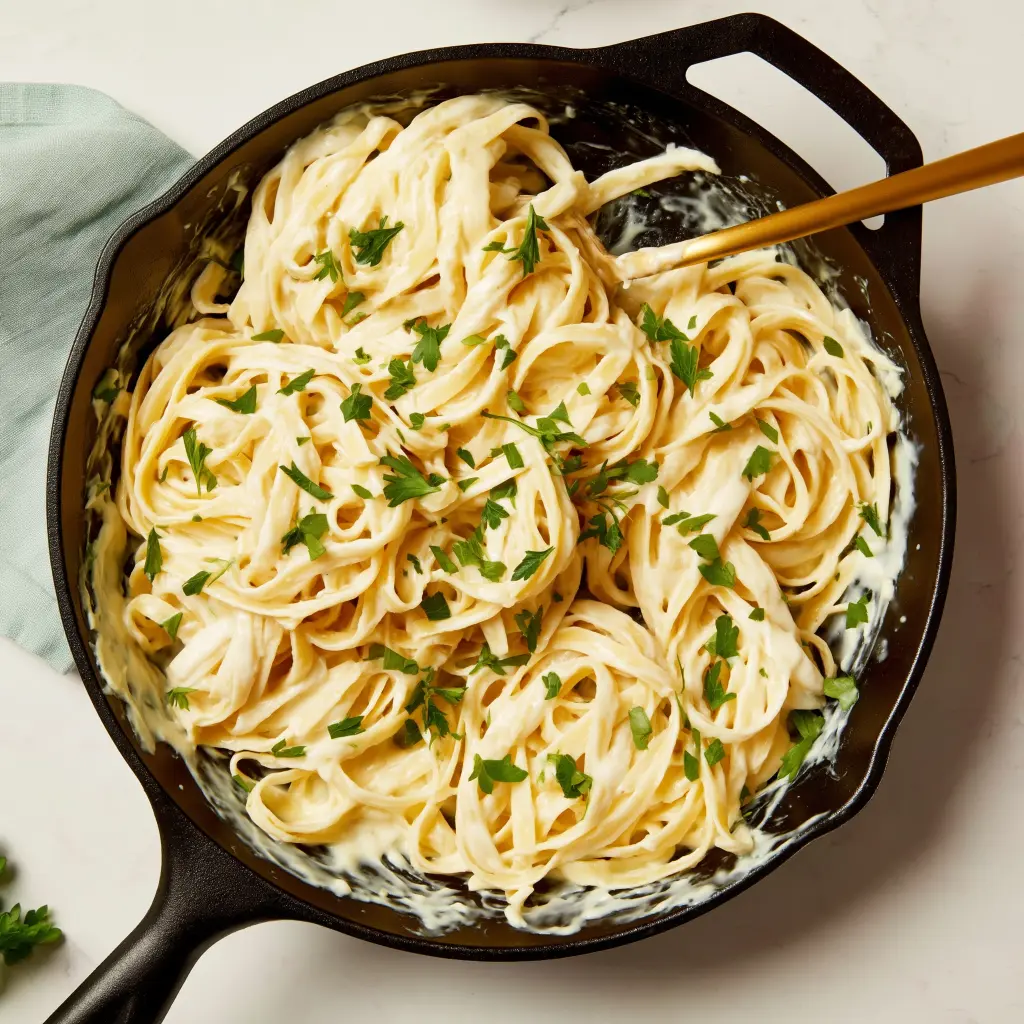
This Olive Garden Alfredo sauce recipe is the kind of copycat dish people make when they want a creamy pasta night at home without a complicated ingredient list. It uses cream cheese, butter, heavy whipping cream, Parmesan cheese, and garlic powder to make a rich, thick sauce that comes together fast on the stove.
The flavor here is all about comfort. It is creamy, savory, and full enough to coat pasta well. It also works as a dip for bread, just like the recipe note suggests, which makes it even more useful for casual dinners or family-style meals.
Because the ingredient list is short, this Alfredo sauce recipe leans on timing and technique more than anything fancy. Melt the butter and cream cheese gently, whisk in the cream, and add the Parmesan once the sauce is hot and slightly bubbling. The result is a thick, creamy sauce that is ready to spoon over hot pasta right away.
Olive Garden Alfredo Sauce Recipe
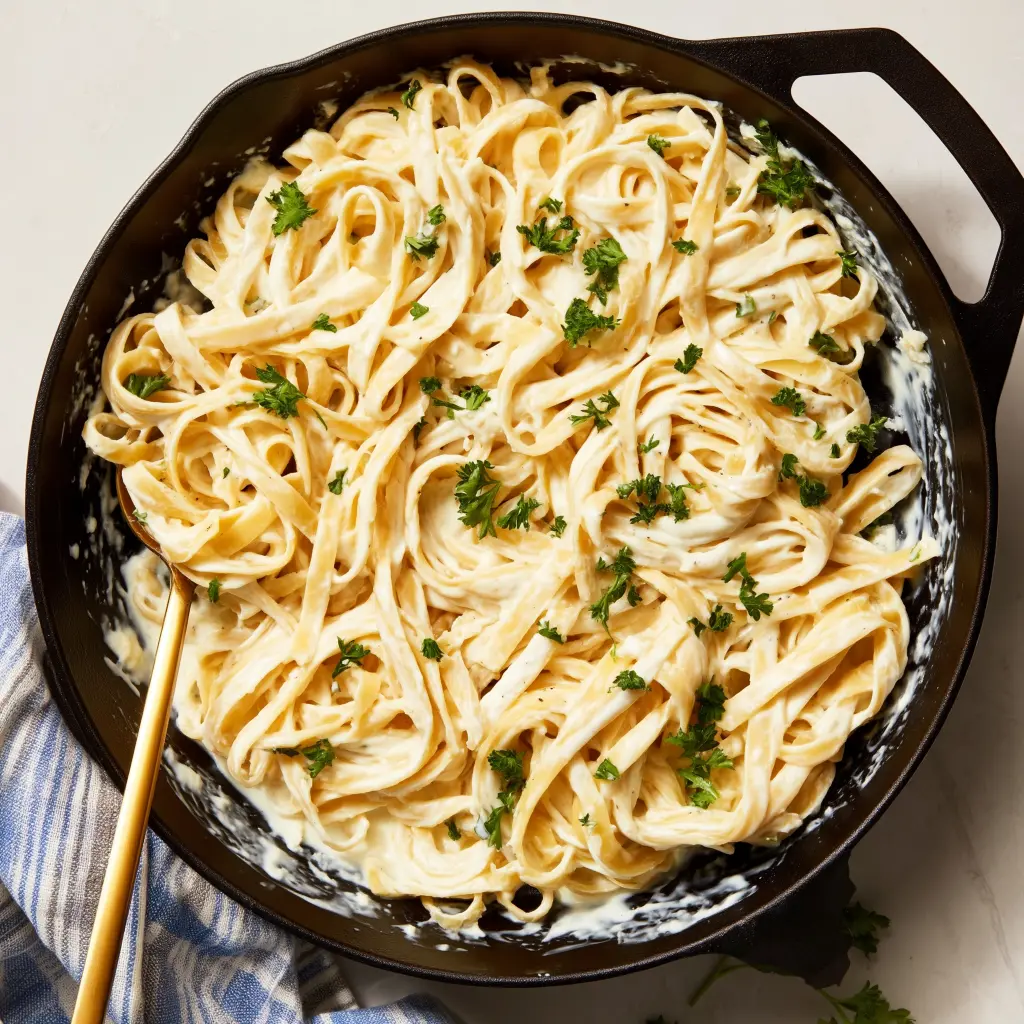
A copycat Alfredo sauce recipe like this is popular for a reason. It is rich, comforting, and easy to make with ingredients many home cooks already know how to use. There is no roux, no flour, and no long simmer. Instead, the cream cheese and butter create the base, the heavy cream gives the sauce body, and the Parmesan adds the salty, cheesy finish.
This recipe also keeps the process simple. You melt the butter and cream cheese together first, then bring in the cream, whisk until the sauce comes together, and finish with Parmesan and garlic powder. That short method makes this a practical dinner option when you want something homemade but do not want a lot of steps.
Since the sauce is thick and creamy, it clings nicely to pasta. It also feels filling, so a little goes a long way.
Ingredients for copycat Alfredo sauce
The ingredient list is short, but each part matters. Cream cheese gives the sauce body and helps create that thick texture. Butter adds richness and makes the base feel silky once it melts into the cream cheese.
Heavy whipping cream is what turns the base into a true Alfredo-style sauce. It loosens the mixture enough to whisk while still keeping it rich. Grated Parmesan cheese adds the cheesy, salty flavor that Alfredo sauce is known for. Garlic powder gives the sauce a simple seasoning that spreads evenly through the pan.
Parsley is optional, but it can add a little color when serving. Since the sauce itself is pale and creamy, even a small sprinkle on top can make the bowl look more finished.
What is the best pasta to use with Alfredo Sauce?
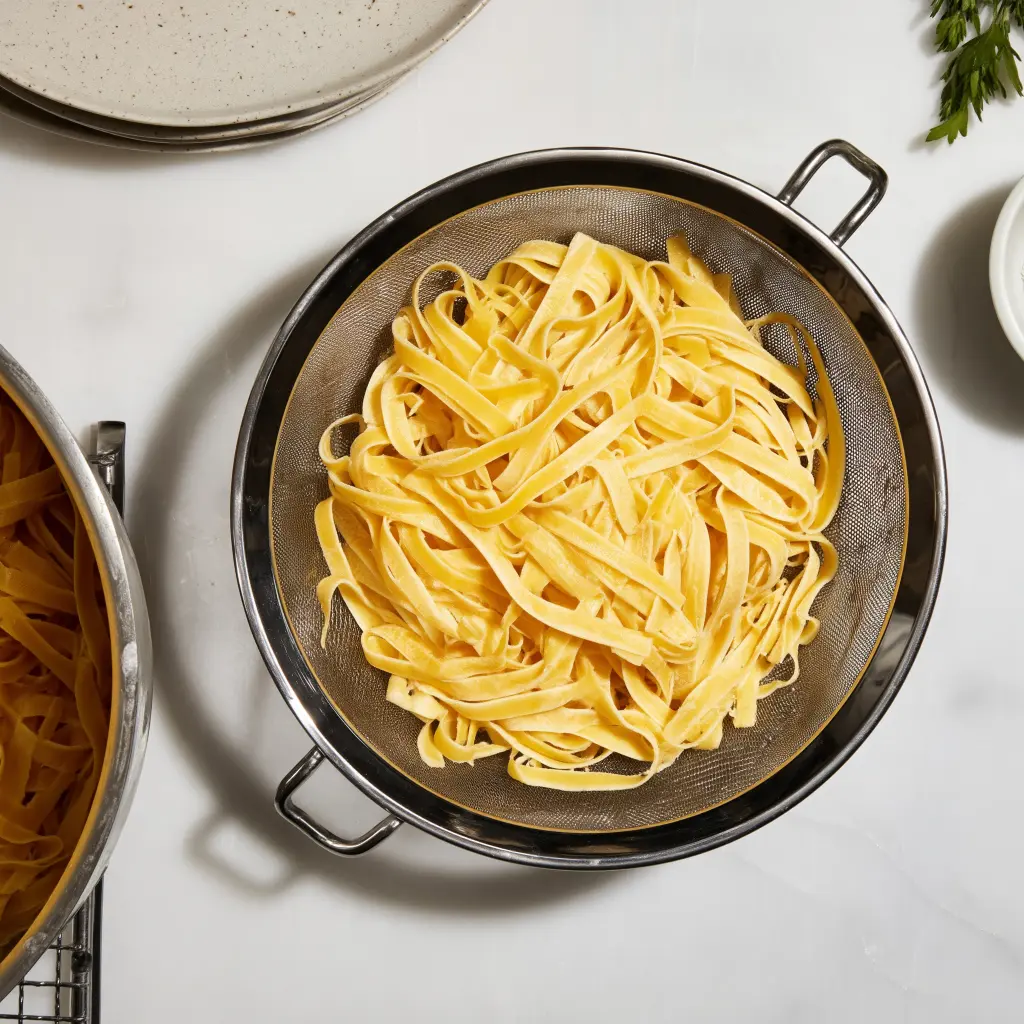
The best pasta for Alfredo sauce is one that holds on to a creamy sauce well. Fettuccine is the classic choice, and it works very well here because the wide noodles catch plenty of sauce. That said, this Olive Garden Alfredo sauce recipe can also work with penne, rigatoni, or spaghetti if that is what you have on hand.
If you want a more classic restaurant-style plate, fettuccine is hard to beat. If you want something a little easier to scoop and serve, penne can be a nice pick. The main thing is to pair the sauce with hot pasta so the Alfredo stays fluid enough to coat everything evenly.
You can also use this sauce beyond pasta. The recipe note mentions dipping bread into it, and that makes sense since the sauce is thick, creamy, and full enough to stand on its own.
Tips for Making Homemade Alfredo Sauce
The biggest tip for homemade Alfredo sauce is to watch the heat. Medium heat works well when melting the butter and cream cheese because it gives them time to soften together without scorching. The recipe even notes that the cream cheese may look clumpy and curdled at first, and that is okay. Keep stirring and get it as smooth as you can.
Once the cream goes in, whisking matters. It helps bring the butter and cream together and gives the sauce a smoother finish. Let the sauce bubble slightly, but do not rush the pan with very high heat for too long.
When it is time to add the Parmesan, stir well so it melts into the sauce. Since this Alfredo sauce recipe is rich from the start, you do not need many extra ingredients. Staying close to the method is what gives you the creamiest result.
Why does my Alfredo sauce gets lumpy? How do I fix it?
A lumpy Alfredo sauce can happen for a few reasons. Cream cheese may look uneven while it melts, and Parmesan can clump if it does not melt in smoothly. That is why steady whisking is so helpful in this recipe.
The recipe itself gives a useful clue: the cream cheese may look strange at first, even clumpy or curdled, and that is still part of the process. The goal in that early stage is to stir until it is as smooth as possible before the cream goes in. Once the cream is added, whisk until the butter and cream have combined.
If your sauce still looks a little lumpy, keep the heat moderate and whisk a bit longer. Often the sauce smooths out as the cheese fully melts and the dairy comes together. A little patience at the stove goes a long way here.
How Do I thicken my Alfredo Sauce?
This Olive Garden Alfredo sauce recipe is already built to be thick. Cream cheese, butter, heavy cream, and Parmesan all help give the sauce body, so it should turn creamy and full as it cooks.
If it feels thinner than you want, let it cook a little longer over the heat while stirring. As the sauce bubbles slightly and the cheese melts in, it should tighten up. Serving it over hot pasta also helps because the sauce will continue to settle as it stands for a minute or two.
A thick Alfredo sauce should coat the back of a spoon and cling to noodles without running off too fast. That is the texture many people want from a copycat Olive Garden Alfredo sauce recipe.
How do I thin out Alfredo Sauce?
If your Alfredo sauce feels too thick, the easiest fix is to loosen it gently. A small splash of cream can help bring it back to a smoother, more pourable texture. Add only a little at a time and stir well so the sauce stays creamy rather than getting too loose.
The sauce can also thicken as it sits, especially once it leaves the pan. That means timing matters. Serving it soon after cooking gives you the smoothest texture. If you are holding it for a few minutes, stirring before serving can help.
The goal is not a thin sauce, but a creamy one that moves easily enough to coat pasta well.
What Veggies can I add to Alfredo?
A rich Alfredo sauce pairs nicely with vegetables that bring a little freshness or texture. Broccoli is a classic choice, especially with pasta. Mushrooms, peas, or spinach can also work well.
If you want the sauce to stay the main focus, keep the vegetables simple and cook them separately before adding them in. That way they do not water down the Alfredo. Since this sauce is rich and creamy, a vegetable with a little bite can balance the plate well.
What to serve with Alfredo
This Alfredo sauce recipe is most at home on pasta, but it does not have to stop there. Serve it with fettuccine for a classic dish, or spoon it over penne for an easy family dinner. Garlic bread or warm breadsticks are a natural match, and the recipe note even points to dipping bread into the sauce.
A crisp salad on the side can be a nice contrast to the richness of the Alfredo. Simple vegetables like broccoli also work well when you want to round out the meal.
Frequently Asked Questions
Can I use this sauce only for pasta?
No. Pasta is the most common use, but the recipe note also suggests using it as a dip for bread, which works very well with a thick, creamy sauce like this one.
Why does the cream cheese look curdled at first?
The recipe says that the cream cheese may look clumpy and curdled while it melts, and that is expected. Keep stirring until it is as smooth as possible before moving on.
How long does this sauce take to cook?
The cook time provided is 20 minutes, with 5 minutes of prep. That makes it a nice option for a quick homemade dinner.
Can I add parsley?
Yes. Parsley is listed as optional, so you can use it as a garnish if you like a little color on top of the finished sauce.
What if my sauce feels too thick?
Stir in a small splash of cream a little at a time until the sauce loosens to the texture you want.
What if my sauce is not thick enough yet?
Keep it over the heat a bit longer while stirring. As the sauce cooks and the cheese melts fully, it should become thicker and creamier.

- 15-Minute Chicken Caesar Wrap - May 11, 2026
- Nutella Stuffed Cookies - May 10, 2026
- Honey Glazed Salmon That Makes Dinner Feel Easy - April 28, 2026