Skip to content


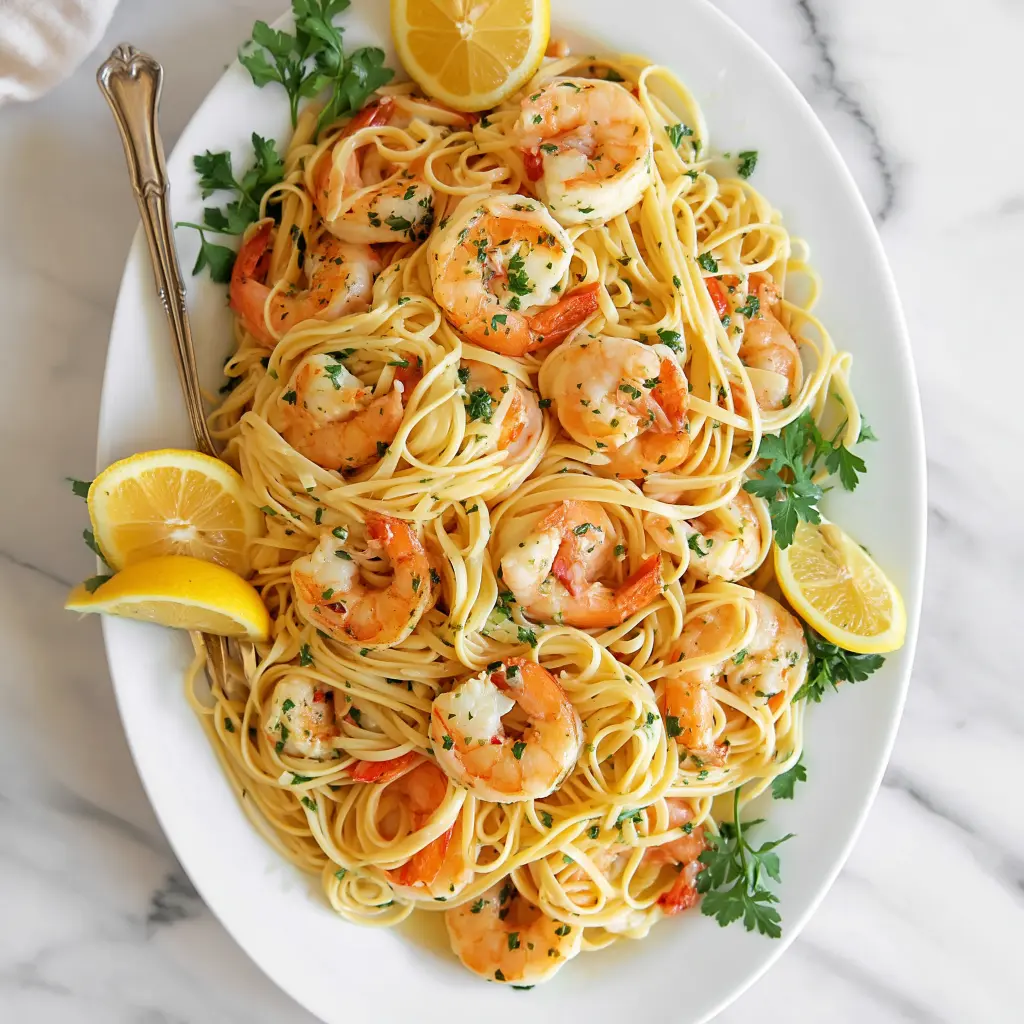
Shrimp scampi is one of those dinners that feels a little fancy without making the kitchen feel hectic. The pasta cooks in one pot, the sauce comes together in one skillet, and the shrimp cook so quickly that the whole meal can be on the table in about 25 minutes. That is a big part of why shrimp scampi stays popular. It gives you a pasta dinner that feels full of flavor and still fits into a busy night.
This version of shrimp scampi keeps things simple in the right way. You get linguine, shrimp, olive oil, butter, garlic, a light broth-based sauce, red pepper flakes if you want a little heat, fresh lemon juice, and parsley. Nothing in that list feels complicated, but once it all comes together, the result tastes balanced, rich, and fresh at the same time. The butter and olive oil make the sauce silky, the garlic gives it that familiar scampi flavor, and the lemon keeps the whole bowl from feeling too heavy.
Another reason shrimp scampi works so well is that it does not try to be too much. It is not buried under a thick cream sauce, and it does not need a long simmer to taste good. The shrimp stay the star, while the pasta catches the buttery garlic sauce and gives the meal enough weight to feel like dinner. If you already like quick pasta dishes such as spaghetti aglio e olio with shrimp, this shrimp scampi will probably land in that same repeat-worthy part of your dinner rotation.
Shrimp Scampi
Good shrimp scampi is all about contrast. The shrimp should be tender, not rubbery. The sauce should taste rich but still bright. The pasta should be coated, not drowned. When those pieces line up, the dish feels far more complete than the short ingredient list would suggest.
This recipe gets there by keeping the timing tight and the flavor clear. The garlic only cooks long enough to turn lightly golden, which keeps it fragrant instead of harsh. The broth simmers down before the shrimp go in, so the sauce tastes more concentrated by the time the pasta is tossed in. Then the lemon juice and parsley go in at the end, which gives shrimp scampi that fresh finish people expect from it.
It is also a very practical dinner when you want something fast that still feels a step up from the usual. You do not need a big prep session, and you do not have to juggle several pans. Once the pasta is cooked, the rest moves fast. That is why shrimp scampi is such a smart recipe for weeknights, date nights at home, or any night when you want something comforting but not too heavy.
What Is Shrimp Scampi?
In a home kitchen like this one, shrimp scampi is a quick shrimp and pasta dish built around butter, olive oil, garlic, lemon, parsley, and a light skillet sauce. It is bright, savory, and a little buttery, but it should still feel fresh from the lemon and herbs. That balance is what keeps it from tasting flat.
One thing people like about shrimp scampi is that the sauce is not thick in the way Alfredo sauce is thick. It is lighter and looser, which means it slips around the linguine and coats the shrimp without turning gluey. That makes the dish feel a little more lively in the bowl. You still get richness from the butter, but the finish stays cleaner.
It also helps that shrimp cook so quickly. Chicken or beef would turn this into a longer meal, but shrimp scampi can move from skillet to plate in minutes once the sauce is ready. That speed is not just convenient. It is part of what makes the recipe what it is. The shrimp are meant to cook fast, stay tender, and carry the garlic-butter-lemon flavors without needing much extra help.
Ingredients You’ll Need For Shrimp Scampi
The ingredient list is short, which means every ingredient matters. Linguine is the pasta here, and it works well because the long strands catch the sauce without fighting it. Shrimp are the main event, so using uncooked extra large shrimp makes a difference. They stay noticeable in the bowl and feel substantial beside the pasta.
Olive oil and unsalted butter make up the base of the sauce. That combination gives shrimp scampi a richer flavor than olive oil alone, but it still keeps the dish from feeling too heavy. Garlic is essential here too. Four cloves may sound like a lot, but garlic is one of the main flavors that makes the dish taste like shrimp scampi instead of just shrimp with pasta.
The liquid in the skillet sauce gives the pasta something to catch and helps the shrimp stay juicy while everything comes together. Salt and black pepper keep the flavors sharp, while red pepper flakes add a little warmth if you like a small kick in the background. Fresh lemon juice brightens the sauce right at the end, and parsley gives the finished dish a fresh note that keeps all the buttery richness in check.
The notes are useful too. You can serve the shrimp and sauce with crusty fresh bread instead of pasta if that suits dinner better. That is a helpful reminder that shrimp scampi is flexible. The shrimp and sauce do not only belong over linguine. They can still work well with bread when you want something a little different.
How Do You Make Shrimp Scampi?
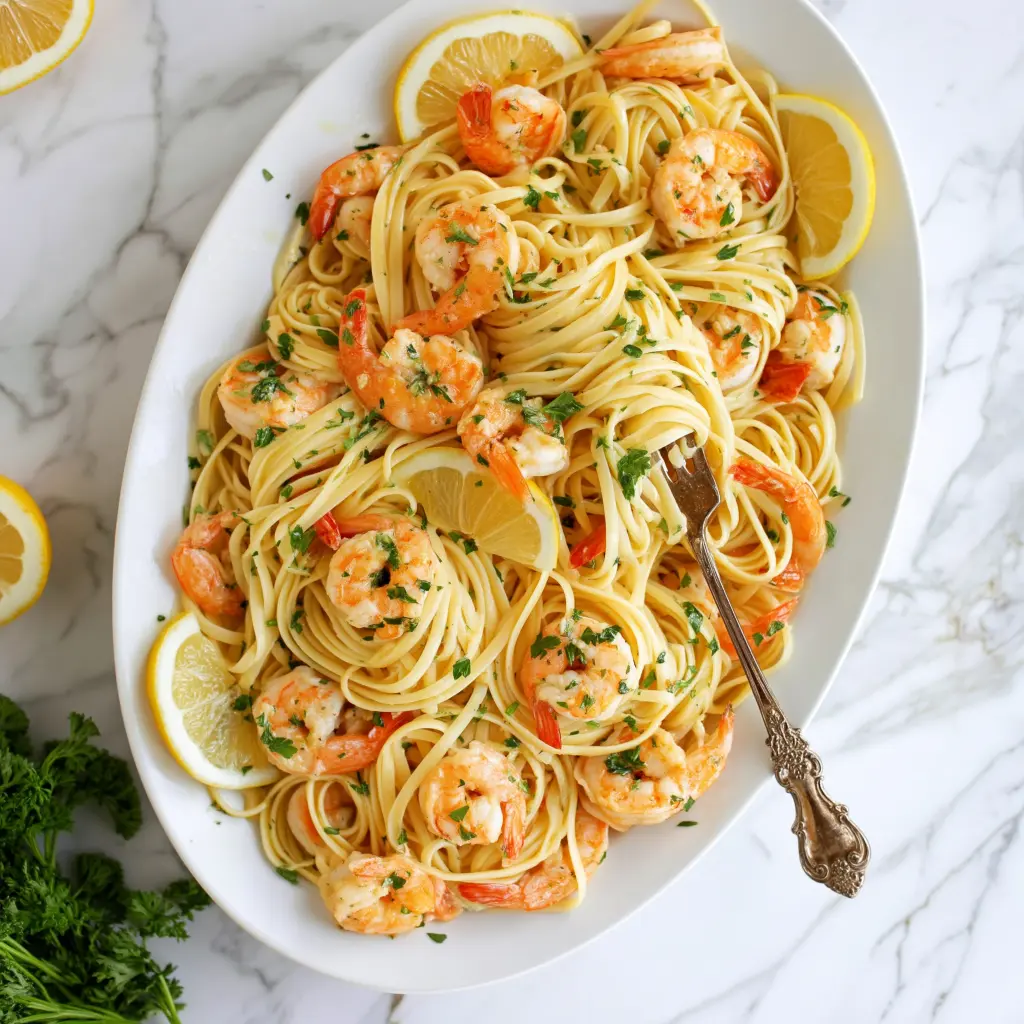
Start by cooking the linguine according to the package instructions. Before draining, reserve 1/4 cup of pasta water. That is a small step, but it gives you an easy way to loosen the finished dish if the pasta absorbs more sauce than you expect.
While the pasta cooks, melt the butter with the olive oil in a 12-inch skillet over just-over-medium heat. Add the garlic and cook it for 1 to 2 minutes, until it turns lightly golden. This step sets the tone for the whole recipe. You want the garlic fragrant and mellow, not dark or bitter. If the heat is too high, the garlic can go from ready to overdone very quickly.
Next, add the broth and let it simmer until it reduces by about half, which takes around 2 to 3 minutes. That short reduction matters because it gives the sauce more flavor and a little more body before the shrimp ever hit the pan. Without that step, the sauce would be thinner and less focused.
Then add the shrimp in an even layer. Season with salt, pepper, and red pepper flakes if using. Cook them for about 1 1/2 to 2 minutes per side, just until they turn pink. This is the point in shrimp scampi where restraint matters most. Shrimp cook fast, and a minute too long can be the difference between tender and tough. Once they curl and turn pink, they are basically there.
Stir in the lemon juice and parsley, then toss the shrimp and sauce with the drained linguine. If needed, add a little of the reserved pasta water to loosen the sauce. That final toss is what brings shrimp scampi together. It should look glossy and light, with the sauce clinging to the noodles instead of pooling heavily in the bottom of the pan.
What Kind of Shrimp Should I Get?
The recipe calls for uncooked extra large shrimp, peeled and deveined, and that is the right call for this dish. Extra large shrimp hold their shape well and stay noticeable once tossed with the linguine. Smaller shrimp can still taste good, but they do not give shrimp scampi the same bite or presence in the bowl.
Starting with uncooked shrimp also matters. Since the shrimp only spend a few minutes in the skillet, they pick up the flavor of the garlic, butter, lemon, and parsley as they cook. Pre-cooked shrimp do not absorb the sauce the same way, and they are easier to overcook when reheated in the pan.
Peeled and deveined shrimp also keep the prep easy. Since shrimp scampi is such a fast recipe, it helps when the shrimp are ready to go as soon as the sauce is reduced. The whole point of this dinner is that it comes together fast without feeling rushed.
How Long Does Shrimp Scampi Keep?
Shrimp scampi is best right after it is made, when the sauce is still glossy and the shrimp are at their most tender. That is really when the dish shines. The lemon tastes brighter, the parsley stays fresh, and the pasta is at the best texture.
If you do have leftovers, refrigerate them and reheat gently. The biggest thing to avoid is blasting the shrimp with too much heat, because they can toughen quickly. A gentle warm-up with a small splash of water can help relax the pasta and loosen the sauce again.
This is not the kind of pasta dish I would make mainly for leftovers, but it does fine for a next-day lunch if you reheat it carefully. If you are planning a few dinners ahead, you could also alternate this with something else from the site, like Buffalo Wild Wings garlic parmesan chicken pasta for another pasta night or lemon herb baked salmon with roasted veggies when you want another seafood dinner with a different feel.
Tips For The Best Shrimp Scampi
The biggest tip for better shrimp scampi is not overcooking the shrimp. They only need a couple of minutes per side, and once they turn pink, they are basically ready. Leaving them in the pan too long takes away the tender texture that makes the dish work.
Another useful tip is to keep the garlic under control. Lightly golden is the goal. Dark garlic can pull the flavor in the wrong direction fast, and because the sauce is simple, there is not much to hide behind. In a quick recipe like shrimp scampi, small timing details matter a lot.
Do not skip the pasta water either, even if you think you will not need it. It gives you an easy safety net at the end. If the linguine looks a little tight after tossing, a small splash helps the sauce settle around the noodles and keeps the finished plate from looking dry.
Lemon juice and parsley should go in at the end, not early. That keeps the flavor fresher and brighter. The same goes for serving the dish right away. Shrimp scampi is at its very best the minute it is tossed together, when the shrimp are tender, the sauce is glossy, and the pasta is still warm enough to carry all that buttery garlic flavor.
If you want to change the serving style, the notes already give you one easy option: serve the shrimp and sauce with crusty fresh bread instead of pasta. That keeps the spirit of shrimp scampi while making dinner feel a little different without changing the heart of the recipe.

- 15-Minute Chicken Caesar Wrap - May 11, 2026
- Nutella Stuffed Cookies - May 10, 2026
- Honey Glazed Salmon That Makes Dinner Feel Easy - April 28, 2026