Skip to content


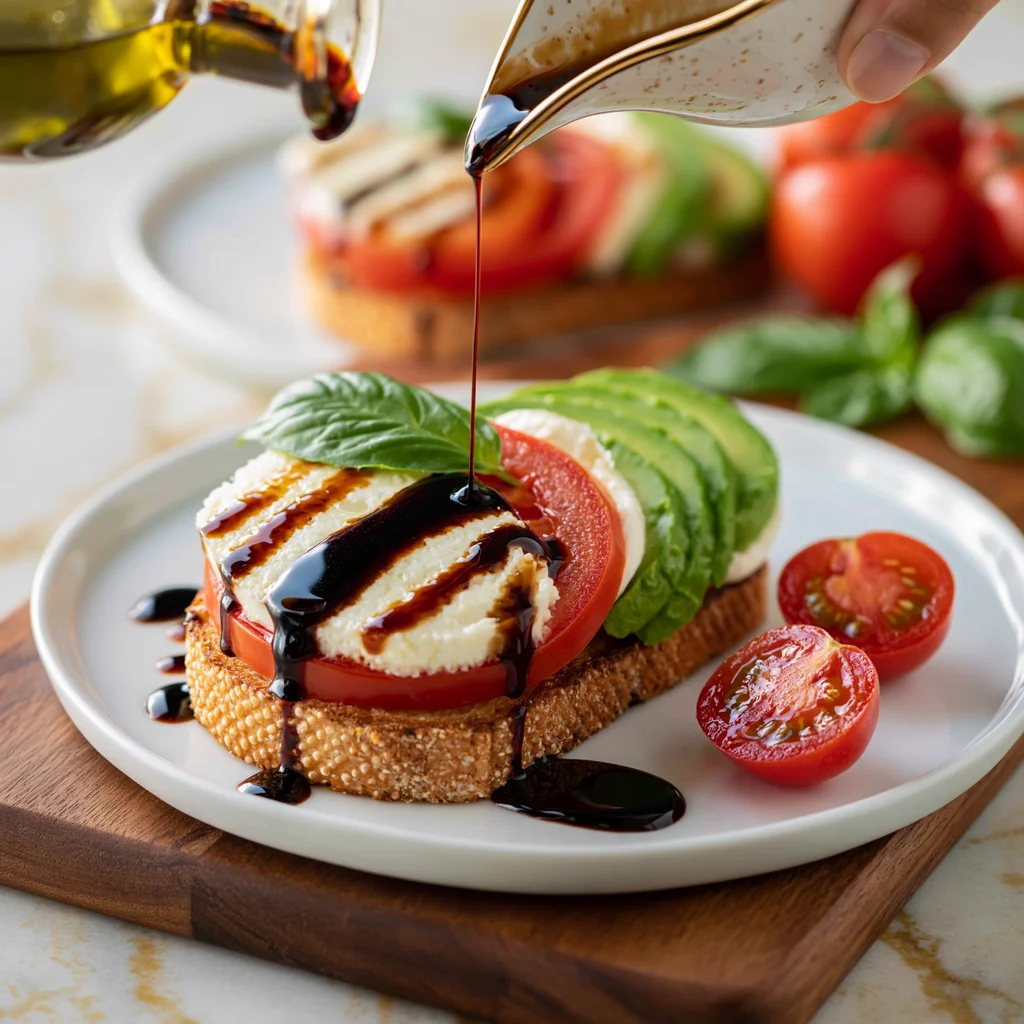
Balsamic glaze is balsamic vinegar reduced until it turns glossy, syrupy, and concentrated. The heat softens the vinegar’s sharp edge while the liquid reduces, leaving a finish that works over caprese salad, roasted vegetables, grilled meats, fruit, or a dessert plate when you add a small amount of sweetener.
The pan does most of the work, but timing matters. Pull the glaze when it coats the back of a spoon, not when it looks thick in the saucepan. It firms up as it cools, so taking it off the heat while it still pours keeps the texture smooth instead of sticky.
Why balsamic glaze needs a small pan and steady heat
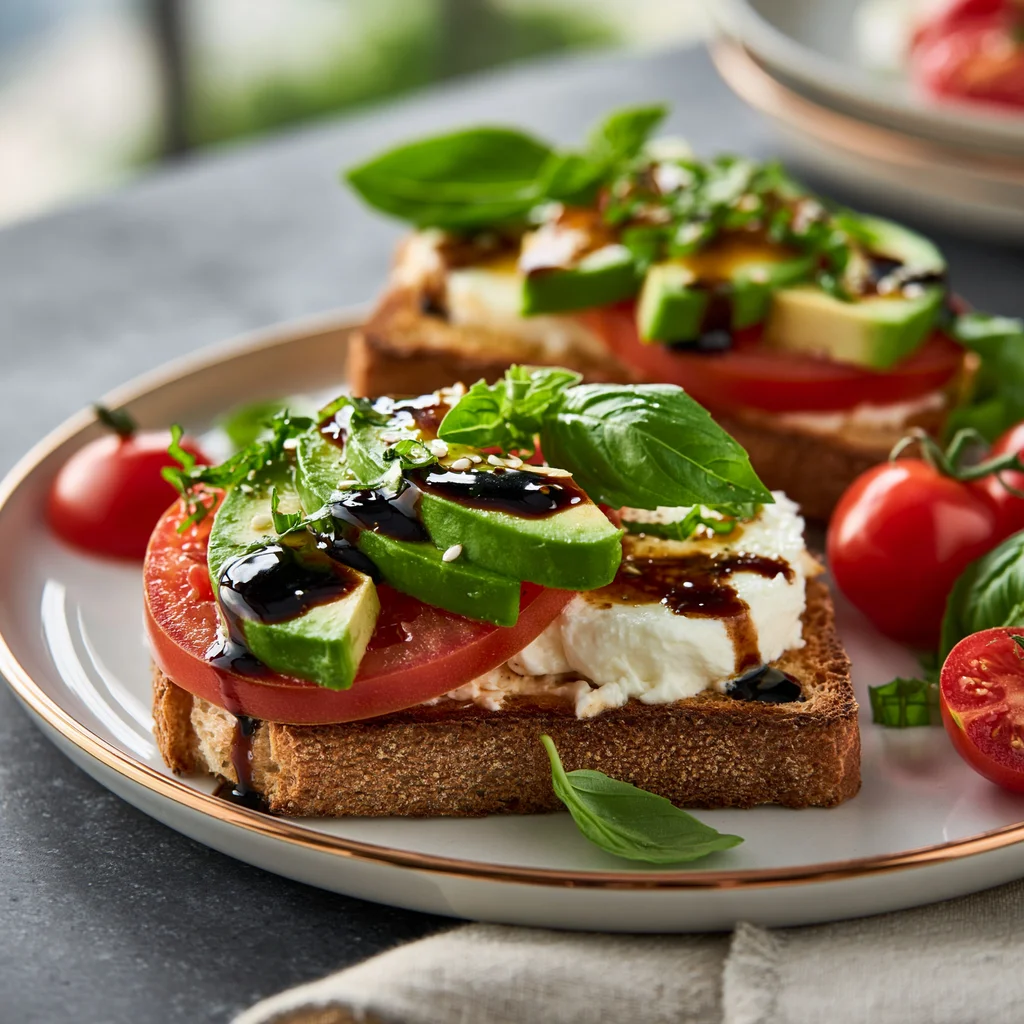
A small saucepan gives the vinegar enough surface area to reduce without spreading into a thin layer that evaporates too fast. Medium-high heat gets it to a simmer, then medium-low heat keeps the bubbles steady. That steady simmer matters because balsamic vinegar has natural sugars that can scorch if the heat runs too high near the end.
The aroma changes as it cooks. At first, the vinegar smells sharp and bright. As it reduces, that sharpness softens and the glaze turns darker, glossier, and more rounded. Stir now and then, especially once the liquid has reduced by about half, so the edges of the pan do not overcook before the center is ready.
Ingredients
- 1 cup + 2 Tbsp balsamic vinegar, recommended Monari Federzoni
- If making balsamic glaze for a dessert
- 2 to 4 Tbsp honey, maple syrup, brown sugar, or white sugar
Use balsamic vinegar you like on its own because reduction concentrates both the acidity and the sweetness. The sweetener is optional and belongs mainly with dessert uses, where a softer finish helps the glaze sit well with fruit, cake, or creamy toppings.
What to taste for as the balsamic glaze reduces
The finished balsamic glaze should taste concentrated, tangy, and balanced rather than harsh. If it still tastes thin and sharp after 10 minutes, it likely needs a few more minutes. If it tastes bitter or smells scorched, it has gone too far.
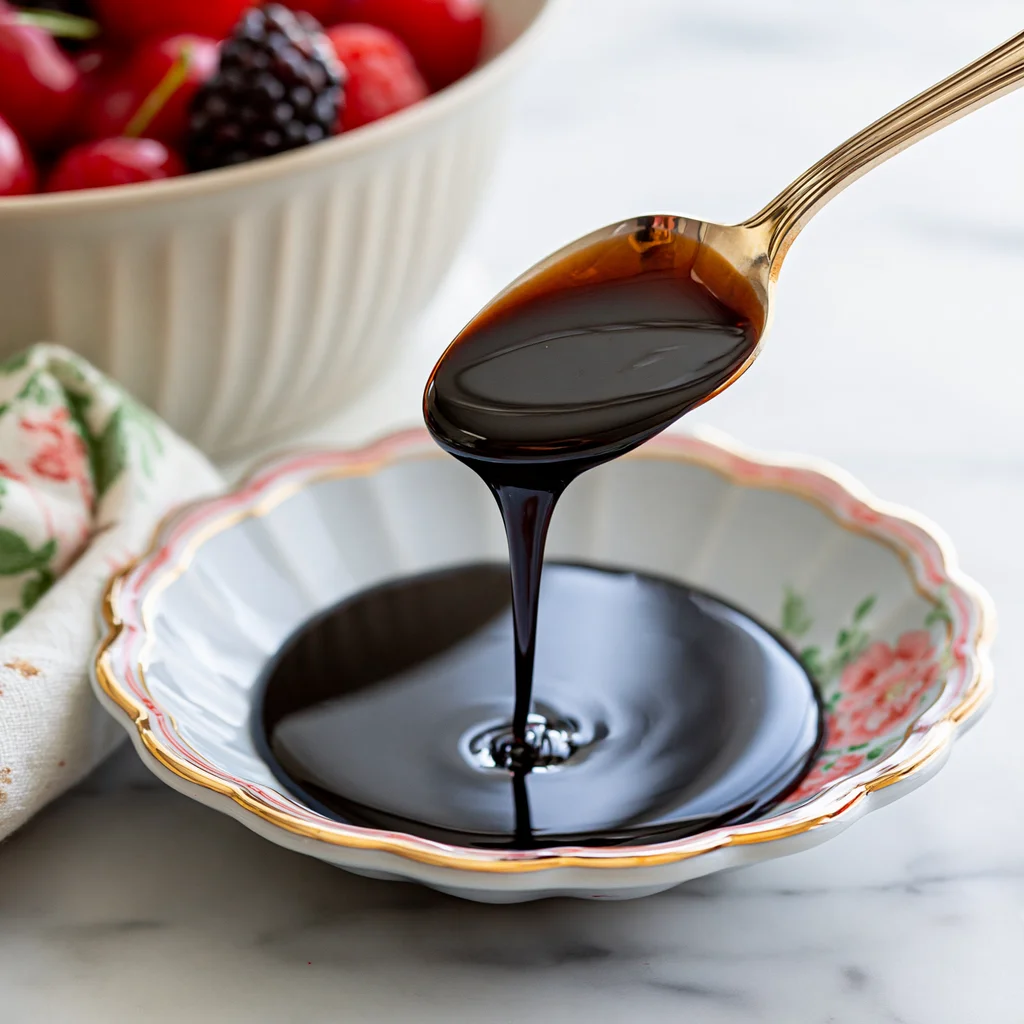
Texture is the safer cue than the clock. The glaze should coat the back of a wooden spoon, and a line drawn through it should hold for a moment. It will look looser while hot than it will after cooling, so stop before it looks thick like a cold syrup in the pan.
How to make balsamic glaze
Start with a clean saucepan and keep the heat controlled once the vinegar begins to simmer. The final minutes move quickly, so stay near the stove when the glaze starts to darken and the bubbles look smaller.
- Add the balsamic vinegar to a small saucepan, whisking in honey now if you are using it, until the liquid looks even and glossy in the bottom of the pan.
- Heat over medium-high heat until the vinegar reaches a simmer with small, active bubbles around the edges, then reduce the heat to medium-low.
- Simmer uncovered, stirring occasionally, until the vinegar smells less sharp, darkens slightly, and reduces to 1/4 cup, about 12 to 15 minutes.
- Check the thickness by dipping in a wooden spoon; the glaze should coat the back and leave a clean line for a second when you run a finger through it.
- Remove the pan from the heat while the glaze still pours in a smooth stream, because it will thicken more as it cools.
- Transfer the cooled glaze to an airtight container once it looks syrupy and settled, then store it at room temperature or in the refrigerator.
Tester’s note: I stop the glaze before it looks thick in the pan. If it coats the spoon and still pours, the texture lands smooth after cooling. If you wait until it looks heavy on the stove, it can tighten too much once chilled.
Sweetening balsamic glaze for desserts
Plain balsamic glaze has enough depth for savory dishes, but desserts often need a gentler edge. For that version, whisk 2 tablespoons of honey, maple syrup, brown sugar, or white sugar into the vinegar before heating. Taste the finished glaze after it cools. If the dessert is very tart, use the higher amount next time.
Honey gives the glaze a rounded sweetness and a slightly thicker body. Maple syrup brings a darker note. Brown sugar adds warmth, while white sugar keeps the flavor more direct. Do not add more sweetener after the glaze has reduced unless the pan is off the heat; added sugar can catch quickly in a hot, reduced syrup.
How much balsamic glaze this makes
This recipe starts with 1 cup plus 2 tablespoons of balsamic vinegar and reduces to about 1/4 cup of glaze. That gives 4 servings of about 1 tablespoon each. A tablespoon is enough for finishing a plate because the flavor is concentrated.
The recipe can be doubled, but use a wider saucepan and expect the timing to change. A larger amount takes longer to reduce, and the visual cues matter more than the exact minute mark. Watch for the same spoon-coating texture and 1/4 volume reduction ratio.
Ways to use balsamic glaze
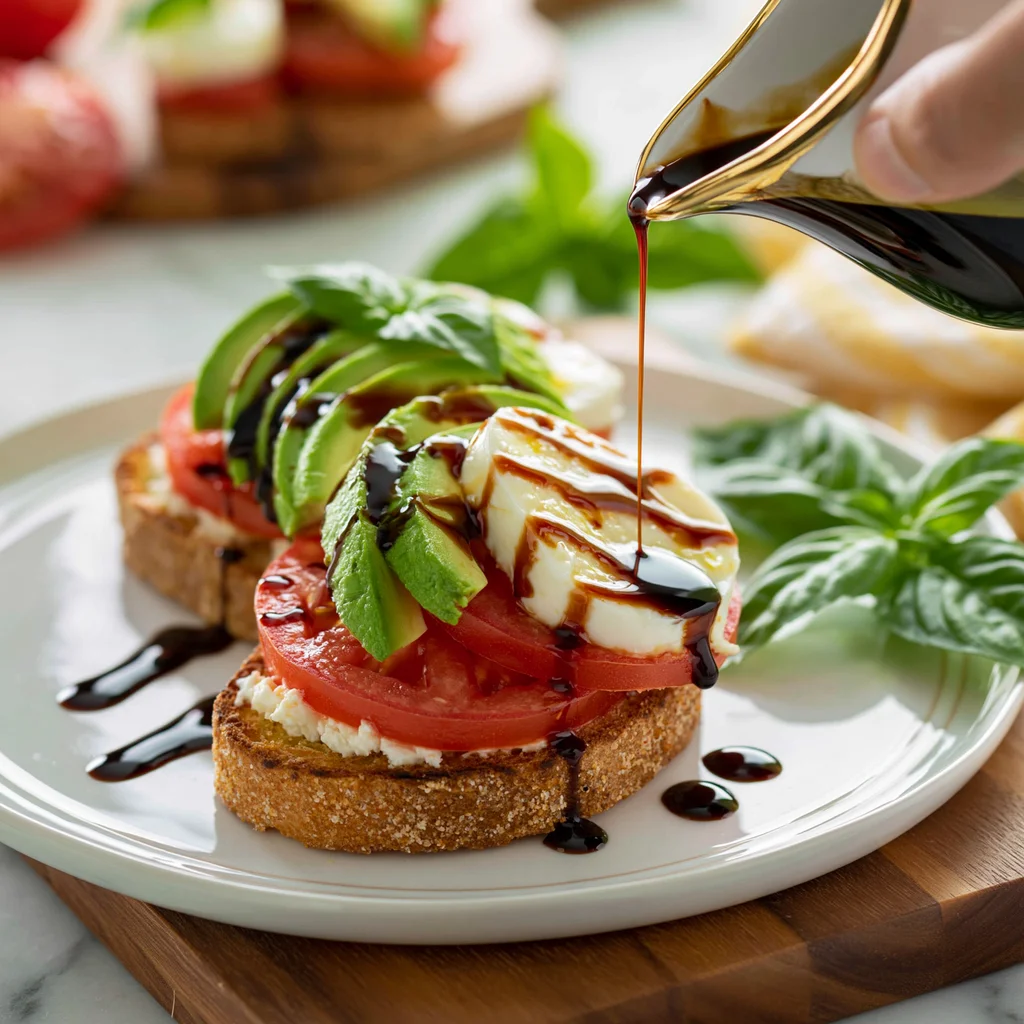
Use plain balsamic glaze as a finishing drizzle, not as a cooking liquid. It works over tomatoes and mozzarella, roasted sweet potatoes, grilled chicken, salmon, sandwiches, grain bowls, and roasted vegetables. Add it at the end so the glossy texture and bright finish stay clear.
For a sweet version, drizzle it lightly over strawberries, peaches, vanilla ice cream, cheesecake, or pound cake. Keep the amount small at first. The glaze is concentrated, and a thin line gives more control than a heavy pour.
Storage
Store balsamic glaze in an airtight container for up to 1 week at room temperature or up to 3 months in the refrigerator. Refrigeration makes it thicker, so let it sit at room temperature for a few minutes if you want a looser drizzle.
If the chilled glaze becomes too thick, place the sealed container in a bowl of warm water until it loosens. Avoid reheating it hard on the stove after it has reduced, since the sugars are already concentrated and can burn quickly. For general vinegar storage guidance, see Iowa State University Extension’s vinegar shelf life and safety notes.
Frequently asked questions
Can I make balsamic glaze without sugar?
Yes. Plain balsamic vinegar reduces into a glossy glaze without added sugar. The optional sweetener is mainly for dessert use, where a softer, sweeter finish may fit the dish better.
Why did my balsamic glaze get too thick?
It likely cooked too long or reduced past 1/4 cup. Warm it gently by setting the container in warm water. Next time, pull it from the heat when it coats a spoon but still pours smoothly.
Can balsamic glaze be doubled?
Yes, but the cook time may be longer. Use the same texture cue rather than relying only on time: the glaze should coat the spoon and reduce to the expected volume.
Does balsamic glaze need to be refrigerated?
It can sit at room temperature for up to 1 week in an airtight container. For longer storage, keep it refrigerated for up to 3 months.
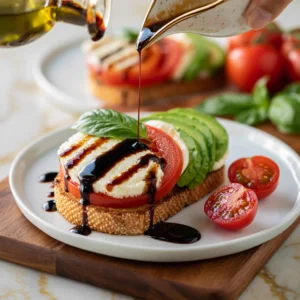
Balsamic Glaze
Equipment
- Small saucepan
Ingredients
- 1 cup + 2 Tbsp balsamic vinegar recommended Monari Federzoni
If making balsamic glaze for a dessert
- 2-4 Tbsp honey, maple syrup, brown sugar, or white sugar
Instructions
- Add balsamic vinegar to a small saucepan. If using honey, whisk it in with the vinegar until the liquid looks even.
- Bring to a simmer over medium-high heat, then lower heat to medium-low once small bubbles form around the edges.
- Simmer uncovered, stirring occasionally, until slightly thickened and reduced to 1/4 cup, about 12 to 15 minutes.
- Avoid overcooking because it can burn; the finished glaze should coat the back of a wooden spoon.
- Let it cool until syrupy and glossy; it thickens further as it cools and can be refrigerated for additional thickness.
- Store airtight up to 1 week at room temperature or up to 3 months refrigerated.
Notes

- 15-Minute Chicken Caesar Wrap - May 11, 2026
- Nutella Stuffed Cookies - May 10, 2026
- Honey Glazed Salmon That Makes Dinner Feel Easy - April 28, 2026