Skip to content


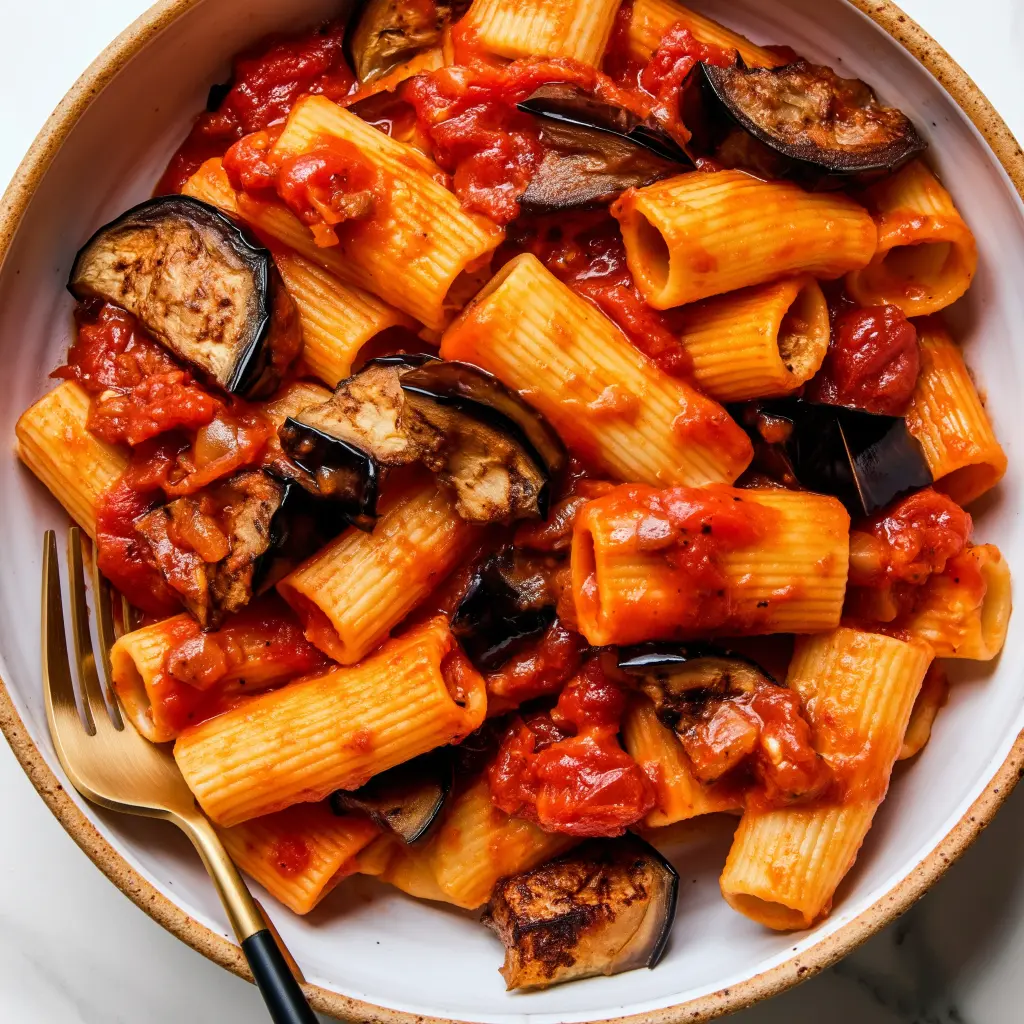
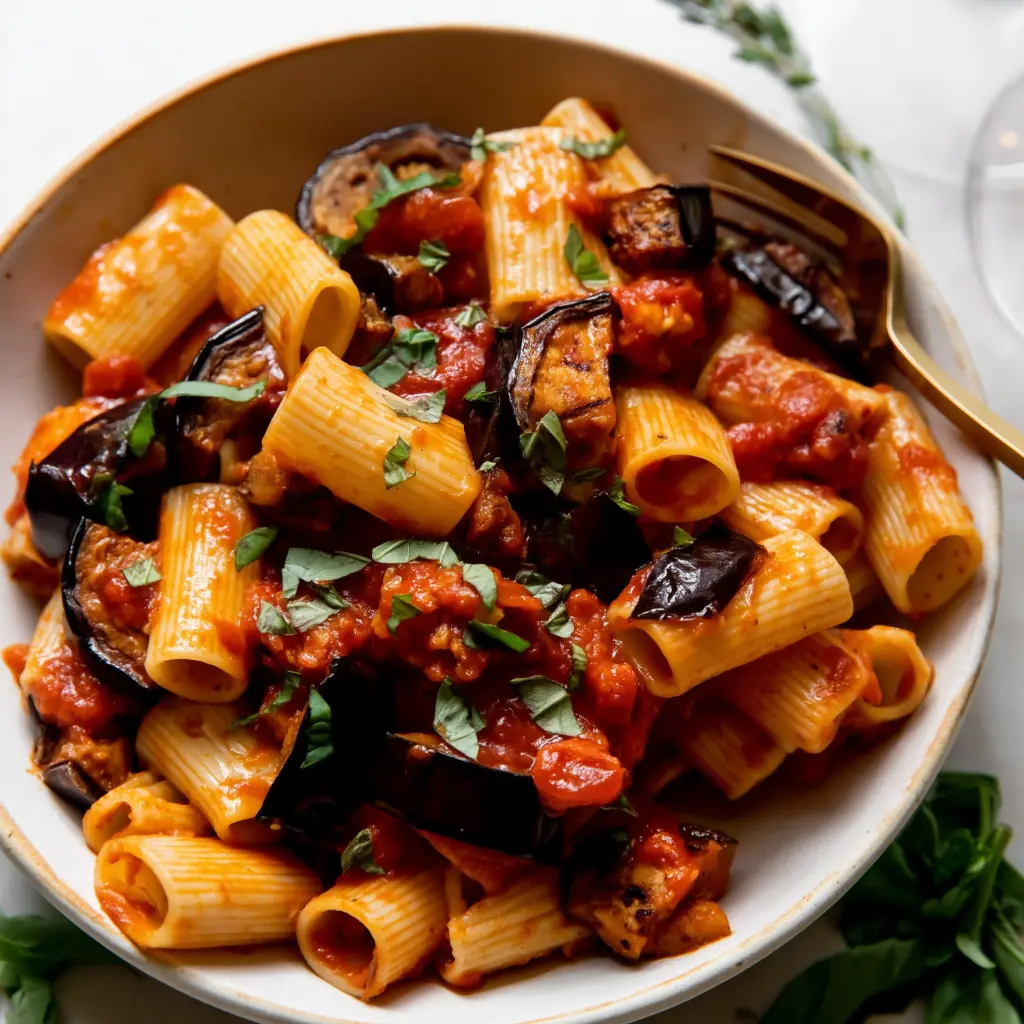
Eggplant pasta is one of those dinners that manages to feel hearty, comforting, and weeknight-friendly all at once. It gives you a full bowl of pasta with real texture, real flavor, and a sauce that clings to every bite. The roasted eggplant is what makes this version work so well. Instead of disappearing into the sauce, it turns soft and golden in the oven, then folds into the marinara and rigatoni in a way that makes the whole dish taste richer.
What I like most about this eggplant pasta is that it stays practical. The ingredient list is short, the steps are clear, and most of the cooking time happens while the eggplant roasts. That means you are not standing over the stove the whole time. You roast, boil, simmer, toss, and family dinner is done.
This recipe is also a good reminder that eggplant does not have to be complicated. A lot of people worry that eggplant will turn spongy, bland, or oily. Here, none of that is an issue because the hot oven helps it brown and soften at the same time. Once it meets the marinara sauce, the eggplant adds body and a mellow savory flavor that makes the pasta taste like more than just noodles and sauce.
If you want a pasta dinner that feels a little different from the usual red sauce routine, eggplant pasta is a smart one to keep around. It is filling without being too heavy, it reheats well, and it works for a family dinner just as easily as it works for leftovers the next day.
Why you’ll love this family favorite recipe!
There is a lot to like about this eggplant pasta, especially if you want something comforting without adding extra steps that slow dinner down. First, roasting the eggplant gives the dish a better texture than simply cooking it in a skillet. You get pieces that are tender in the middle with lightly browned edges, and that makes the finished pasta feel much more satisfying.
Another reason this eggplant pasta works is the balance. The pasta gives the dish its familiar, cozy base. The onion and garlic build flavor without making the sauce fussy. The marinara keeps everything grounded and simple. Then the eggplant adds substance, so each serving feels like a real meal instead of a bowl of pasta with a little sauce stirred in.
It is also flexible. You can serve eggplant pasta just as it is, or add ricotta, basil, and parmesan at the table depending on what you like. That makes it easy for households where not everyone wants the exact same finish. Some people will want it plain and saucy, while others will want extra cheese on top.
This recipe is a good match for busy evenings, meatless dinners, and anyone trying to make vegetables feel more welcome at the table without turning dinner into a project.
Ingredients that make this eggplant pasta work
The ingredients in this eggplant pasta are familiar, but each one plays an important part. Eggplant is clearly the star, so it helps to dice it into even pieces. That way it roasts at the same pace and mixes into the sauce without falling apart too much.
Olive oil does double duty here. Part of it coats the eggplant so it roasts instead of dries out, and the rest goes into the skillet for the onion and garlic. Onion gives the sauce a sweeter, gentler base, while garlic brings the sharper savory note that makes tomato sauce taste fuller.
Italian seasoning adds a little herbal lift without making you pull out several jars. Water is a small ingredient, but it matters. That splash loosens the skillet mixture and gives the marinara a little room to simmer before the roasted eggplant and pasta go in.
Rigatoni is a great shape for eggplant pasta because the tubes catch sauce well and hold their bite. Fresh basil and parmesan brighten the dish right at the end, while ricotta gives you a creamy option if you want the finished bowls to feel a bit more like a restaurant-style pasta night.
How to make eggplant pasta
This eggplant pasta starts in a hot oven, and that is what gives the dish its best texture. The diced eggplant gets tossed with olive oil, salt, and pepper on lined baking sheets, then roasted until golden and tender. Spreading it out matters. If the eggplant is crowded, it will steam instead of roast, and the finished pasta will miss some of that deeper flavor.
While the eggplant roasts, you can bring a large pot of water to a boil and cook the rigatoni according to the package directions. This overlap is one of the reasons eggplant pasta feels manageable. The recipe naturally stacks its timing in a way that keeps dinner moving.
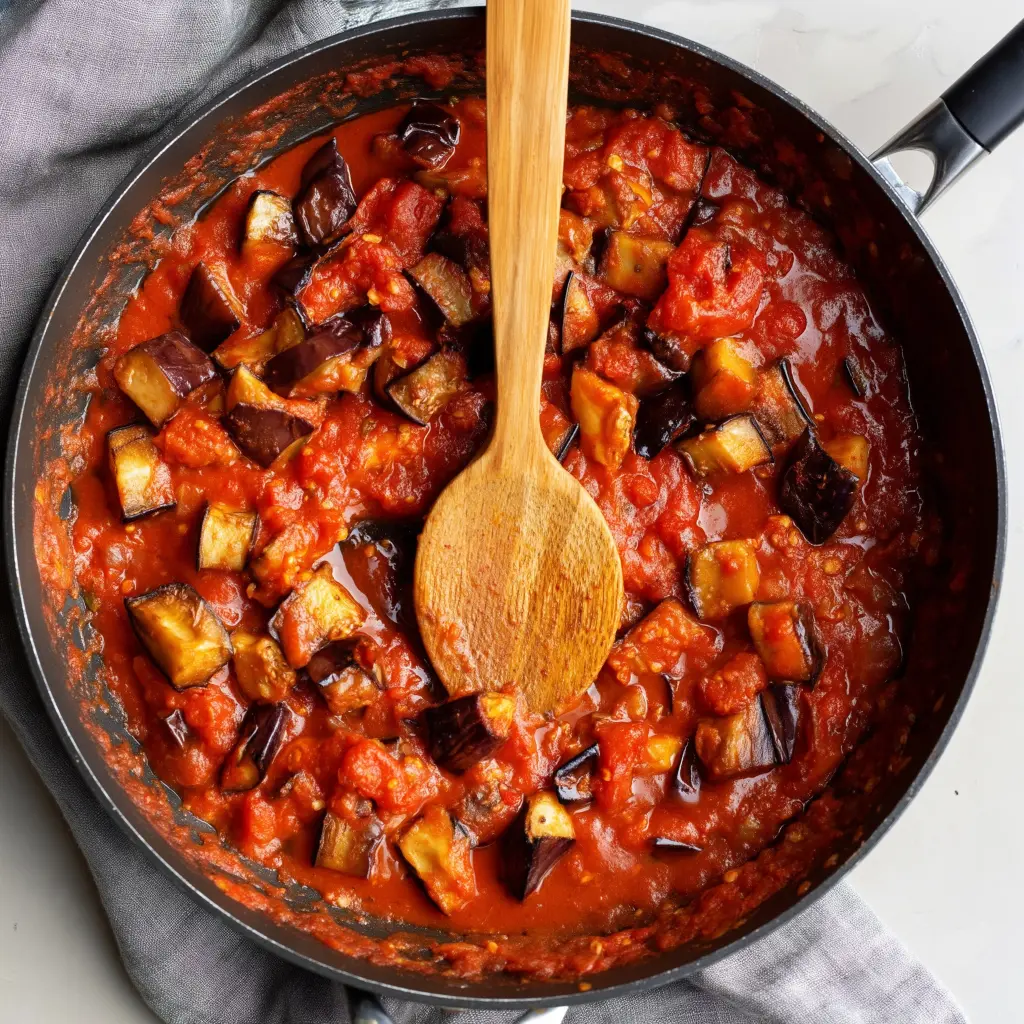
The sauce base is simple, which is part of the appeal. Onion cooks first until it softens, then garlic, Italian seasoning, and salt go in for a quick minute. After that, water and marinara sauce are added and simmered together. This does not need a long cook time because the goal is not to make a brand new sauce from scratch. It is to give the sauce a little warmth and flavor before the roasted eggplant joins in.
Once the eggplant is done, stir it into the sauce so the flavors come together. Then add the cooked pasta and toss everything until coated. At this stage, the eggplant pasta should look glossy and generous, with plenty of sauce tucked into the pasta and around the eggplant pieces.
Serve it hot, with basil and parmesan if you like. A spoonful of ricotta on top also works well because it melts slightly into the warm pasta and softens the sharper edges of the tomato sauce.
Tips and FAQs
A few small choices can make this eggplant pasta even better. The biggest one is giving the eggplant enough room in the oven. Another is salting the pasta water well so the rigatoni has flavor from the start. Since the rest of the recipe is simple, those little details matter.
You also do not need to overwork the sauce. Once the onion is soft and the garlic is fragrant, the marinara takes over. This recipe is at its best when it stays straightforward.
Do I need to salt the eggplant?
No, not for this recipe. Some eggplant recipes call for salting and draining the eggplant ahead of time, but this eggplant pasta does not need that extra step. Since the eggplant is diced and roasted at a high temperature, it softens and browns nicely without pre-salting.
If your eggplant is especially large or older, salting can sometimes help draw out a little moisture before roasting, but it is not required here. For most weeknight cooking, you can move straight from cutting to roasting.
Should I peel the eggplants?
You do not have to peel the eggplants for this eggplant pasta. The skin softens during roasting and helps the pieces hold their shape. That is useful once the eggplant gets tossed into the sauce.
That said, if you know you are sensitive to the texture of eggplant skin, you can peel some or all of it. The finished pasta will still work. Leaving the peel on simply gives the dish a bit more structure and color.
Recipe Tip
The best recipe tip for this eggplant pasta is to roast the eggplant until it is truly golden, not just soft. Tender eggplant is good, but browned eggplant tastes better and gives the finished pasta more character. If you pull it too early, the dish can still work, but it will taste flatter and the texture will be softer all the way through.
It also helps to save a little pasta water before draining, even though the recipe does not call for it. If the pasta sits for a minute or two before serving and starts to tighten up, a splash of pasta water can loosen the sauce and bring everything back together.
Variations
This eggplant pasta is easy to adjust without changing its basic feel. Ricotta is the clearest variation because it makes the dish creamier and gives each bowl a soft contrast to the tomato sauce. You can also keep the cheese off entirely if that suits the table better.
Another option is changing the pasta shape. Rigatoni works beautifully, but other short pasta shapes that hold sauce well can also do the job. The key is keeping the overall balance of pasta, roasted eggplant, and marinara sauce.
You can also lean into the basil and parmesan for a brighter finish, or keep the toppings light and let the roasted eggplant stay front and center.
Serving suggestions
Eggplant pasta pairs well with a simple green salad, warm bread, or roasted vegetables if you want to stretch dinner a little further. If you are serving a crowd, setting out basil, parmesan, and ricotta lets everyone build their own bowl.
Because this dish already has tomato sauce, pasta, and roasted vegetables, it does not need much on the side. A crisp, fresh salad is often enough to round things out.
Storage
Leftover eggplant pasta keeps well, which makes it a useful make-ahead dinner. Refrigerate leftovers for up to 5 days. The pasta will absorb some sauce as it sits, so when reheating, a small splash of water or extra marinara can help loosen it back up.
You can also freeze it for up to 3 months. For the best texture, let it cool before storing, and reheat gently so the pasta and eggplant do not break down too much. If you plan to freeze part of the batch, it can be nice to hold the basil and cheese until serving.

- 15-Minute Chicken Caesar Wrap - May 11, 2026
- Nutella Stuffed Cookies - May 10, 2026
- Honey Glazed Salmon That Makes Dinner Feel Easy - April 28, 2026