Skip to content


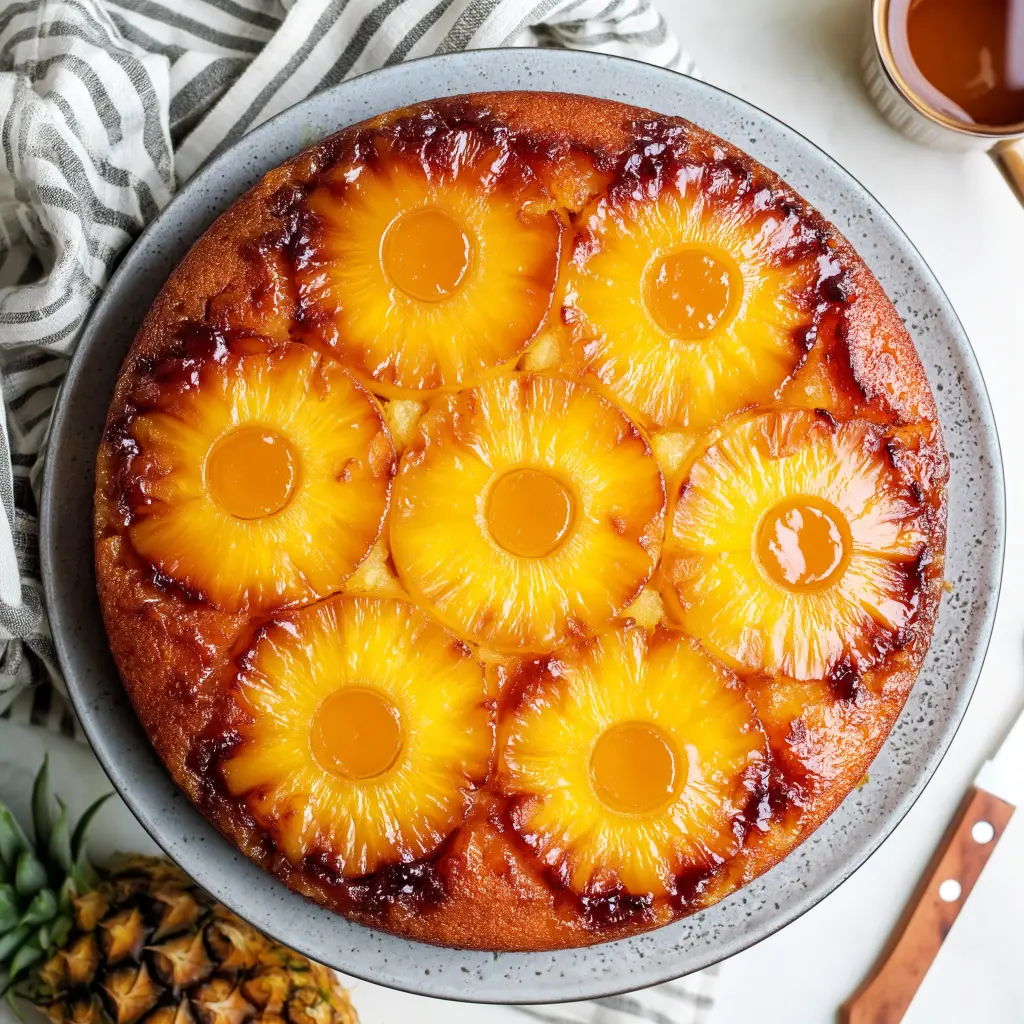
Pineapple upside down cake is one of those desserts that never really loses its charm. It has a clear look, a familiar flavor, and a style that feels just as welcome at a family dinner as it does on a holiday table. This version keeps that old-fashioned appeal, but it does it with a from-scratch batter and fresh pineapple, which gives the cake a little more brightness and texture in every slice.
What makes pineapple upside down cake so satisfying is the contrast built right into it. The fruit and brown sugar go into the pan first, creating that soft caramel-like layer that ends up on top once the cake is turned out. Then the vanilla cake bakes over it, soaking up some of that flavor while still holding its own tender crumb. When the cake is inverted, it comes out looking finished without frosting, piping, or extra decoration.
That ease is part of why pineapple upside down cake stays so appealing. It looks like a dessert you spent a long time planning, but the method is more direct than people expect. You arrange the pineapple, mix a simple batter, bake, cool briefly, and turn it onto a platter. The pan does most of the visual work for you.
This pineapple upside down cake also fits nicely into the kind of baking people actually do at home. The ingredients are familiar, the batter is not fussy, and the final garnish is optional. A spoonful of whipped cream or a few cherries can dress it up, but the cake does not depend on any of that. It already has enough going on with the fruit, brown sugar, and vanilla.
The Best From Scratch Pineapple Upside Down Cake
A from-scratch pineapple upside down cake has a different feel from one built around shortcuts. The fruit tastes fresher, the cake crumb feels more balanced, and the sweetness stays in check because you are starting with real ingredients rather than leaning on a boxed mix. That matters here, because pineapple already brings a lot of flavor on its own. The goal is not to bury it. The goal is to let it sit comfortably with butter, brown sugar, and vanilla.
The topping layer is simple but important. Melted butter and brown sugar spread across the bottom of the pan create the rich layer that coats the pineapple as it bakes. The fruit softens, the sugar settles around it, and the whole top becomes glossy once the cake is turned out. That is what gives pineapple upside down cake its signature finish.
The cake batter underneath is sturdy enough to support the topping but still tender enough to feel like cake rather than a platform for fruit. Butter and granulated sugar are beaten until pale and fluffy, then eggs and vanilla go in. Flour, baking powder, salt, and milk bring the batter together. It is a classic method, and in a cake like this, that is exactly what you want.
Fresh pineapple is a good fit because it holds shape better than you might expect while still turning soft enough in the oven. It gives the finished pineapple upside down cake a cleaner bite and a brighter fruit flavor than a syrup-packed topping would.
How do You Pick a Good Pineapple?
Since this recipe starts with fresh fruit, picking a good pineapple matters. You do not need a perfect specimen, but you do want one that looks fresh and smells pleasant. A tired crown, mushy spots, or signs of damage will make the prep less pleasant and the cake less rewarding.
In practical terms, look for a pineapple with a fresh-looking crown and a sweet aroma near the base. NC State Extension describes good pineapple for freezing as fruit that is firm, ripe, and full of flavor and aroma, and that is a useful guide here too. The University of Hawaiʻi also notes that consumers often judge pineapple quality by aroma and skin color, along with overall freshness of the crown.
One helpful thing to remember is that pineapple upside down cake does not require the fruit to be overripe. In fact, a pineapple that is too soft can be harder to cut neatly and may not give you the nicest texture once baked. You want fruit that tastes ripe and smells good, but still feels firm enough to cube cleanly.
This Pineapple Upside Down Cake is Easier To Make Than You’d Think!
There is a reason this cake has lasted so long in home kitchens. Pineapple upside down cake looks a little dramatic once it is turned out, but the method is very manageable. The first step is simply coating the pan with the melted butter and brown sugar mixture. After that, the pineapple pieces are arranged evenly over the surface.
From there, the batter comes together in the usual way. Dry ingredients are whisked in one bowl. Butter and sugar are beaten in another. The eggs go in one at a time, followed by vanilla, then the flour mixture and milk are added in turns. It is not a difficult batter. It just asks you to follow the order, which keeps the crumb soft and even.
Once the batter is spread over the pineapple, the oven takes over. While the cake bakes, the topping settles and the batter rises around it. After a short cooling period, the whole cake is turned onto a platter. That single motion is what makes pineapple upside down cake feel so special. It reveals the fruit-topped surface all at once, and suddenly a very simple cake looks ready for the center of the table.
The brief cooling time before inverting matters. Too soon, and the cake may be too delicate. Too late, and the topping can start to cling to the pan. Ten minutes is a good middle ground because it gives the structure a chance to settle while keeping the brown sugar layer loose enough to release cleanly.
What makes this pineapple upside down cake work
This pineapple upside down cake works because the topping and cake are built to support each other. The topping is rich but not too thick, so it coats the pineapple without forming a stiff candy layer. The cake underneath is soft but not fragile, which matters when it has to hold fruit and then flip out of the pan in one piece.
Another reason it works is the size of the pan. A 9 x 2-inch cake pan gives enough depth for the topping and batter without crowding the cake upward too much. That helps the pineapple upside down cake bake evenly and keeps the center from feeling underdone while the edges move too far ahead.
There is also a nice balance between sweetness and fruit. Pineapple can carry a lot of sugar, but this recipe does not overload it with extras. The brown sugar gives the topping warmth, the vanilla softens the edges of the batter, and the fruit still comes through clearly. That is what keeps each slice from feeling too heavy.
How Do You Make Mini Pineapple Upside Down Cakes?
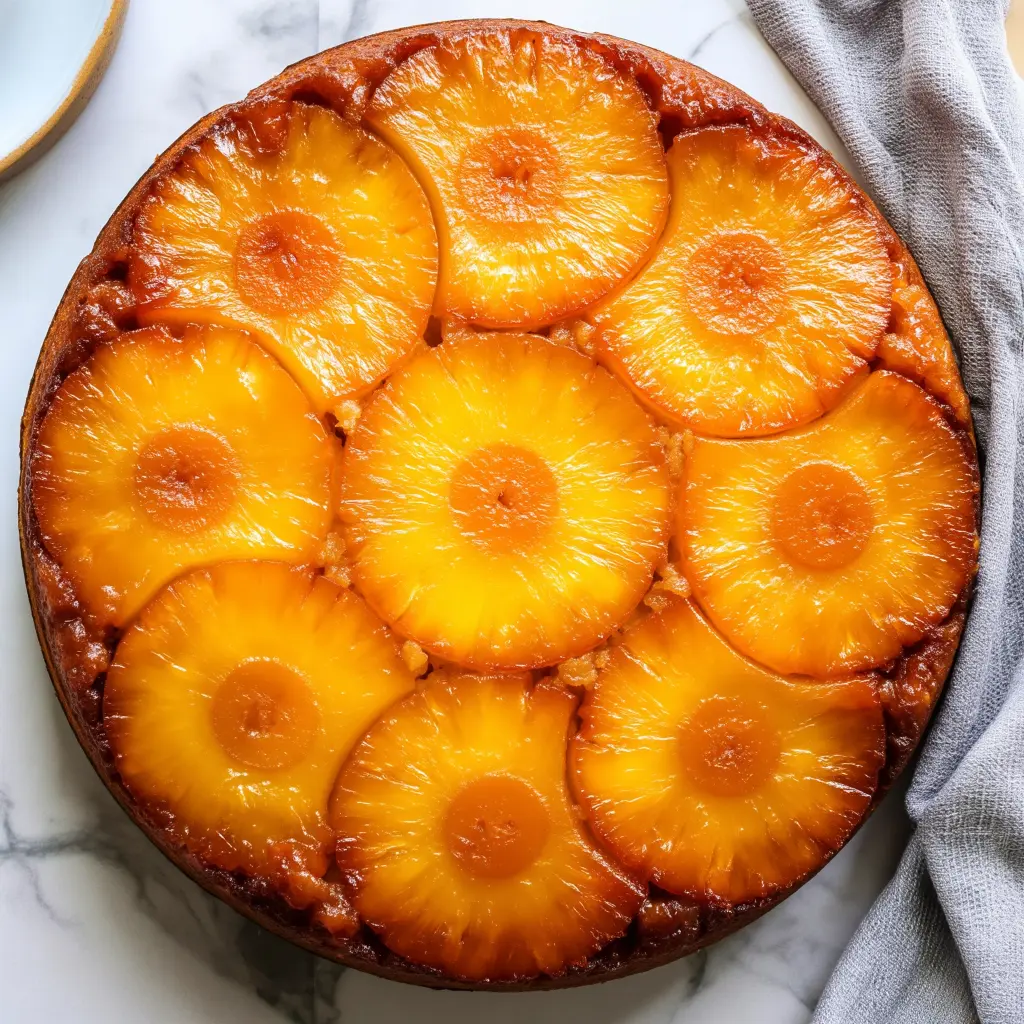
The same basic idea behind pineapple upside down cake can be used for smaller cakes too. Instead of arranging the topping in one large cake pan, you divide the butter, brown sugar, and pineapple among smaller baking wells. Then you spoon the batter over each one and bake until the cakes are set.
Mini versions work well when you want the same look and flavor in individual portions. They are also nice for gatherings because the serving is already done for you. The main thing to keep in mind is that smaller cakes usually bake faster than a full pineapple upside down cake, so they need earlier checking.
The topping should still go in first, and the cakes should still rest briefly before turning out. That upside-down moment is part of what makes the dessert what it is, whether you are baking one cake or several smaller ones.
Serving Suggestions
Pineapple upside down cake is easy to serve because it already looks finished when it comes out of the pan. A plain slice works well on its own, especially while the cake is still a little warm. The fruit topping gives it enough character that it does not really need frosting or sauce.
For a slightly fuller dessert plate, add sweetened whipped cream or garnish with maraschino cherries or fresh cherries, just as the recipe suggests. Since the cake has warm fruit and vanilla notes, a cool topping makes sense without taking over. At a dessert table, pineapple upside down cake also fits nicely beside other crowd-friendly sweets like banana pudding parfait or mango coconut sticky rice.
It is also a good cake for casual serving. Because pineapple upside down cake does not depend on a perfect frosted finish, you can bring it to the table as soon as it is ready and let the fruit top do the work.
How to store leftover pineapple upside down cake
Let the pineapple upside down cake cool before covering it. Once it is stored, keeping the fruit topping protected helps the surface stay glossy instead of drying out. A covered cake plate or a pan wrapped well will do the job.
If you are serving the cake with whipped cream, treat that garnish separately and chill leftovers promptly. General food safety guidance recommends refrigerating perishable foods within 2 hours, which is a good rule here, especially once dairy toppings are involved.
The cake itself can also be chilled for later servings. When brought back to room temperature, the pineapple upside down cake is still tender and flavorful, and the topping usually settles into the crumb even more. For longer keeping, freezing individual slices is often the easiest route because you can thaw just what you need.
Pineapple upside down cake has lasted for good reason. It is cheerful without being flashy, simple without being plain, and familiar without feeling tired. The fresh pineapple gives this version a bright edge, the vanilla cake keeps it grounded, and the turned-out topping gives every slice that classic finish people hope for. It is the sort of cake that looks like it belongs to a celebration, even when the only real occasion is that you felt like baking something good.

- 15-Minute Chicken Caesar Wrap - May 11, 2026
- Nutella Stuffed Cookies - May 10, 2026
- Honey Glazed Salmon That Makes Dinner Feel Easy - April 28, 2026