Skip to content


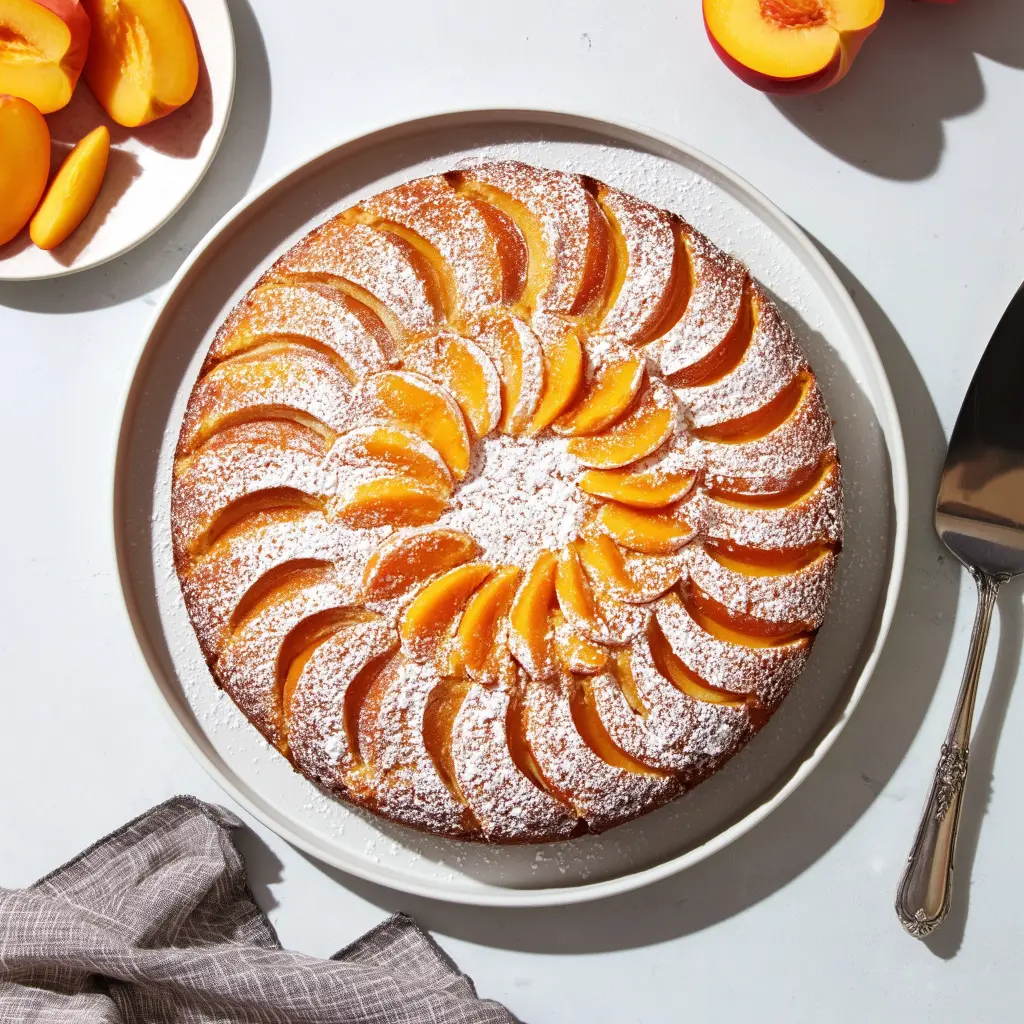
Peach cake has a way of feeling homey from the first slice. It is simple, buttery, and full of soft peach pieces that settle right into the batter as it bakes. This version keeps things especially practical because it uses canned peaches, which means you can make peach cake without waiting for peak peach season or wondering whether the fruit on the counter is ripe enough yet.
That kind of ease matters. A lot of cake recipes look pretty, but they ask for more prep than most people really want to do on a regular afternoon. This peach cake keeps the ingredient list short and the steps clear. You cream the butter and brown sugar, mix in the eggs and vanilla, fold in the dry ingredients, and stir peaches right into the batter. The rest is the kind of baking that feels calm instead of fussy.
What makes this peach cake especially nice is the texture. Brown sugar gives it warmth, the butter keeps it rich, and the peaches make every bite soft without turning the cake heavy. It is the sort of dessert that works after dinner, with coffee in the afternoon, or as part of a bigger desserts spread when you want something familiar on the table.
It also helps that this peach cake looks finished without much extra work. A little powdered sugar on top is enough. There is no thick frosting to make, no extra filling to chill, and no long decorating step. Once it has cooled a bit, it is ready to slice and serve. That makes it a good recipe to keep close by for weekends, casual gatherings, or the days when you just want to bake something that feels dependable.
Easy Peach Cake Recipe
This is the kind of peach cake recipe that earns a spot in the regular rotation because it gives you a lot back for a modest amount of work. Using canned peaches keeps the fruit prep simple, but it also gives the cake a steady texture from batch to batch. You are not guessing whether the peaches are too firm, too juicy, or too tart. You already know what you are working with, and that makes this recipe feel much more manageable.
The batter itself is straightforward. Softened butter and brown sugar create the base, which gives the peach cake a deeper flavor than plain white sugar alone. The eggs add structure, the vanilla rounds everything out, and the flour, baking powder, and salt keep the crumb tender but sturdy enough to hold the fruit. Half the peaches are folded into the batter, and the rest go over the top, which gives the finished cake a nice mix of peach in every layer.
That top layer matters more than it may seem. As the peach cake bakes, the fruit on top settles in slightly and gives the surface a soft, simple look that feels right for the recipe. It is not meant to be a tall layer cake or a dressed-up bakery showpiece. It is meant to be the kind of cake you make because you know it will come out well and taste like something people will actually finish.
This peach cake also works nicely for bakers who do not want a long cleanup. One bowl for the dry ingredients, one bowl for the creamed mixture, one cake pan, and that is about it. The result is a dessert that feels generous without asking for too much in return.
Why this peach cake works so well
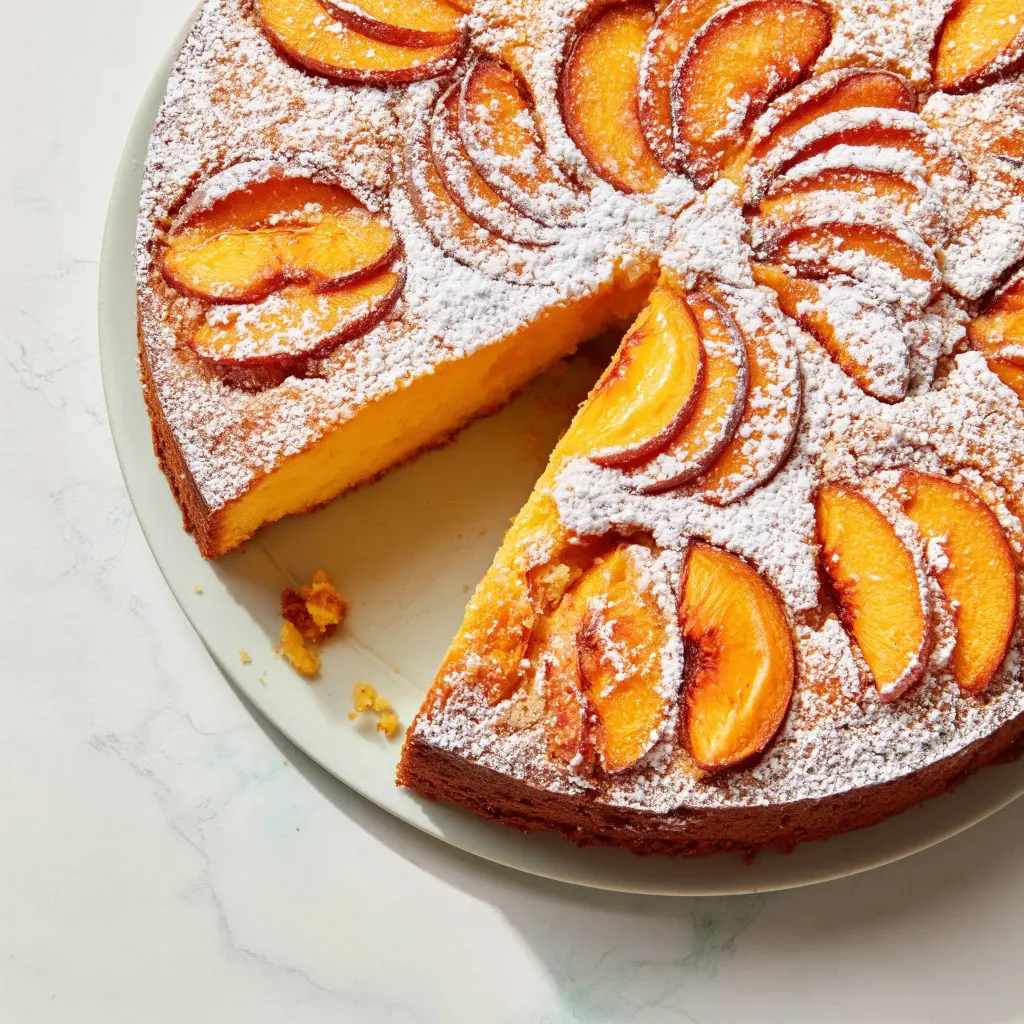
Some fruit cakes end up too wet, too dense, or uneven because the fruit and batter never quite settle into the same rhythm. This peach cake avoids that by using drained peaches that have been patted dry. That one small step keeps the batter from loosening too much and helps the cake bake up with a soft but stable crumb.
Another reason this peach cake works is the size of the recipe. A 9-inch round pan gives it enough height to feel like a proper cake without turning the center into a waiting game. You still get a tender middle, but the cake bakes through cleanly and slices neatly once it has cooled.
It is also a recipe that gives you a lot of flavor from pantry basics. There is no sour cream, no glaze, and no long list of mix-ins competing with the fruit. The peaches stay front and center, backed up by butter, vanilla, and brown sugar. That balance is what makes the cake feel relaxed and steady instead of overbuilt.
Quick Tip
The most useful tip for this peach cake is to drain the peaches well and pat them dry before adding them to the batter. It sounds minor, but it changes the texture of the finished cake. Extra liquid from the fruit can weigh the crumb down and make the center bake more slowly. Dry peaches still give the cake moisture, but they do it without turning the batter loose.
Another small tip is to spread the batter gently once the peaches are folded in. Since fruit can make batter a little lumpy, an even layer in the pan helps the peach cake rise more evenly. When you place the remaining peach slices on top, press them in lightly rather than burying them. That keeps the top attractive without forcing the fruit too far down.
Letting the cake cool before turning it out is just as important. Warm fruit cakes are delicate, and this peach cake needs a little time to settle so the crumb can hold together when sliced.
Serving Suggestions
This peach cake is lovely on its own, especially while it is still just a little warm or after it has fully cooled and been dusted with powdered sugar. It does not need much dressing up because the peaches already bring softness and sweetness to the plate.
For a slightly fuller dessert, serve peach cake with a spoonful of whipped topping or a small scoop of vanilla ice cream. The cake is buttery enough to stand up to something creamy, but still light enough that it does not feel too rich. It also pairs well with coffee or tea, which makes it a nice afternoon bake as much as a dessert.
At a larger gathering, peach cake fits naturally alongside other simple sweets rather than as the only dessert on the table. It sits comfortably next to a chilled dessert like creamy no-bake cheesecake with berries, or something richer and warmer like classic chocolate lava cake. That mix works because peach cake brings fruit and softness without competing for attention.
How to Store Peach Cake
Once the peach cake has cooled, cover it well before storing. Because this cake includes fruit, keeping air away from the cut surface helps it stay soft and pleasant rather than drying around the edges. A cake keeper, a covered plate, or a tightly wrapped pan all work well.
If your kitchen is cool and you plan to finish the peach cake soon, it can sit out for a short stretch after baking. For longer keeping, the refrigerator is the safer and simpler choice. General food safety guidance recommends chilling perishable foods promptly, and that is a good habit with fruit-topped baked goods too.
You can also freeze peach cake after it has cooled completely. Wrap slices or the whole cake well so the crumb stays protected. When you are ready to serve it, thaw it in the refrigerator or at room temperature while still covered. A fresh dusting of powdered sugar at the end is often all it needs to look fresh again.
FAQs
How do you soften peaches for cake?
For this peach cake, canned peaches are already soft enough to use as soon as they are drained and patted dry, which is one reason the recipe is so convenient. You do not need to cook them first or wait for them to ripen.
If you are working with fresh peaches for another cake, the best approach is to use fruit that is ripe but not mushy. A peach that yields slightly when pressed will bake more nicely than one that is hard and underripe. For peeling, many home cooks briefly blanch peaches in hot water and then slip the skins off, which is the method described in this peach handling guide from the National Center for Home Food Preservation.
How do you keep peaches from turning brown in a cake?
In this peach cake, canned peaches make that issue much smaller because they have already been processed and packed. Once drained, they are ready to use without much worry about browning on the counter.
With fresh peaches, browning usually starts after peeling and slicing. A little acid helps slow that down. Penn State Extension notes that lemon juice solutions can help keep cut fruit from browning, which is useful when you are prepping peaches ahead for baking. Even then, it is still smart to slice the fruit close to baking time so the peach cake stays bright and fresh-looking.
Do you have to peel peaches before baking with them?
No, not always. It depends on the cake and the texture you want. In a rustic fruit cake, the peel can soften enough during baking that it does not bother anyone. In a softer, more tender cake like this peach cake, peeled peaches usually blend in more smoothly.
Since this recipe uses canned peaches, the peeling question is already taken care of for you. That is another reason the recipe feels so approachable. You get the fruit flavor and soft texture without the extra prep step of blanching, peeling, and slicing fresh peaches first.
There is a quiet kind of satisfaction in a cake like this. It does not need layers, fillings, or a big finish to feel worth making. Peach cake works because it is soft, simple, and built from ingredients that make sense together. It tastes like the sort of dessert that belongs in a real kitchen, where a cake has to do more than look nice for five minutes. It has to slice well, taste good the next day, and make people reach for another piece. This one does.

- 15-Minute Chicken Caesar Wrap - May 11, 2026
- Nutella Stuffed Cookies - May 10, 2026
- Honey Glazed Salmon That Makes Dinner Feel Easy - April 28, 2026