Skip to content


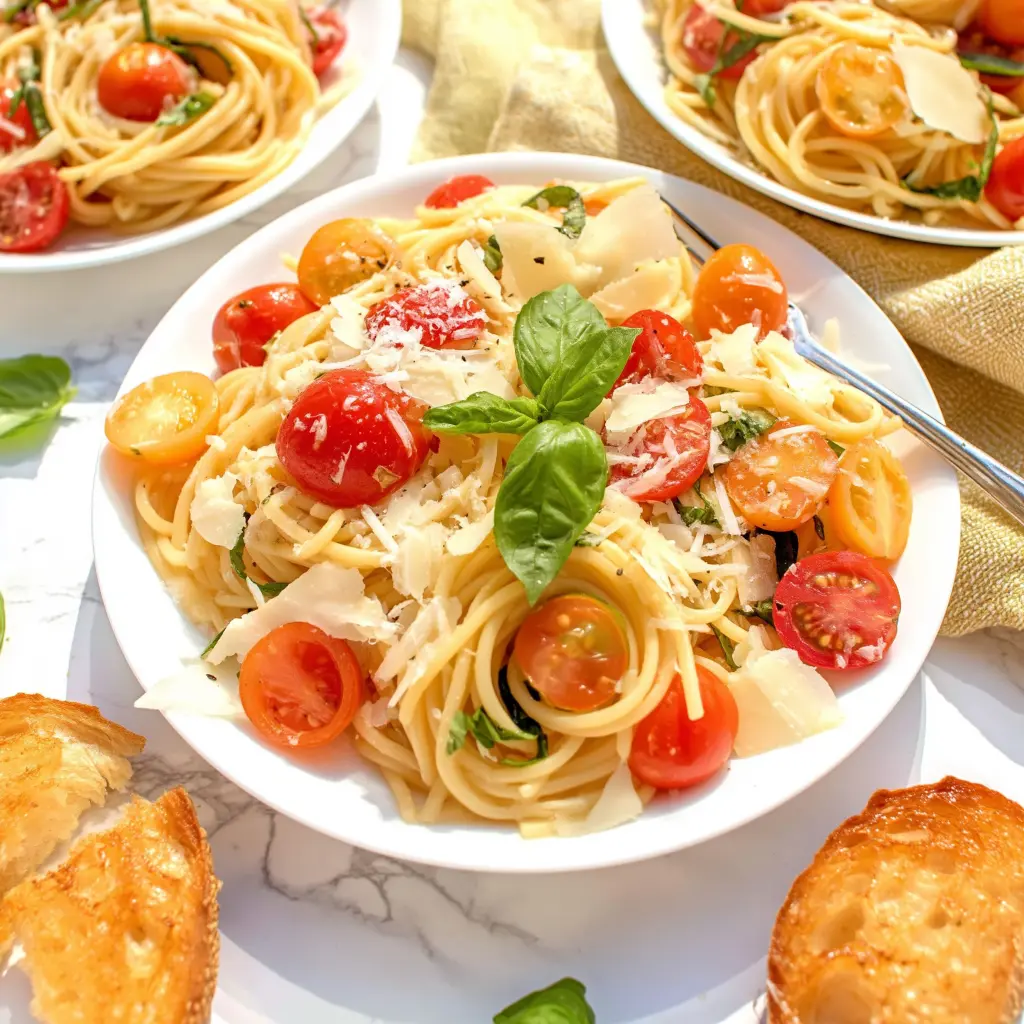
Bruschetta pasta is the kind of dinner that feels bright and easy from the first bite. It takes the classic flavors people love in bruschetta, like tomatoes, basil, garlic, olive oil, and parmesan, and turns them into a full pasta dish that comes together quickly. That fresh tomato mixture does almost all the work here. There is no long simmer, no heavy sauce, and no complicated finish. You cook the pasta, stir everything together, and serve it while the tomatoes are still lively and the basil is still fragrant.
What makes bruschetta pasta especially useful is how naturally it fits into a real evening. The prep can happen while the pasta cooks, so the recipe moves fast without feeling rushed. It is also made from ingredients that are easy to recognize and easy to use. That matters, because a recipe like this only works if the balance stays clear and simple.
This dish lands somewhere between a warm pasta dinner and a fresh tomato salad, and that is exactly why it is worth making. The hot farfalle softens the tomato mixture just enough to bring the flavors together, while the olive oil and balsamic vinegar lightly coat everything without weighing it down. The result is a pasta that tastes fresh first, with enough richness from the parmesan to make it feel complete.
If you like pasta dinners that do not rely on cream, butter, or a long sauce, bruschetta pasta has a lot going for it. It is quick, colorful, and easy to serve. It also feels flexible enough for a casual lunch, a weeknight dinner, or a warm-weather meal when you want something satisfying without making the kitchen feel busy for too long.
Why this bruschetta pasta works
Bruschetta pasta works because it keeps the best parts of bruschetta intact. The tomatoes stay the main event. The basil still tastes fresh. The garlic stays punchy enough to wake up the whole bowl. But instead of sitting on toast, all of that gets wrapped around pasta, which turns the flavor into an actual meal.
Another reason this recipe works is contrast. The pasta is hot and tender. The tomato mixture is fresh and juicy. The parmesan adds a salty finish that ties those two sides together. You get something warm enough for dinner but not heavy, which can be hard to find in a quick pasta recipe.
The farfalle shape helps too. Bowtie pasta has enough surface area to catch bits of tomato, onion, basil, and cheese, so each bite feels balanced. You are not digging through the bowl trying to find the good parts. They are already mixed in.
Bruschetta pasta is also appealing because it does not ask you to hide the ingredients. Tomatoes taste like tomatoes here. Basil still tastes green and fresh. Olive oil and balsamic vinegar stay noticeable. That honesty is part of the charm.
What you need for bruschetta pasta
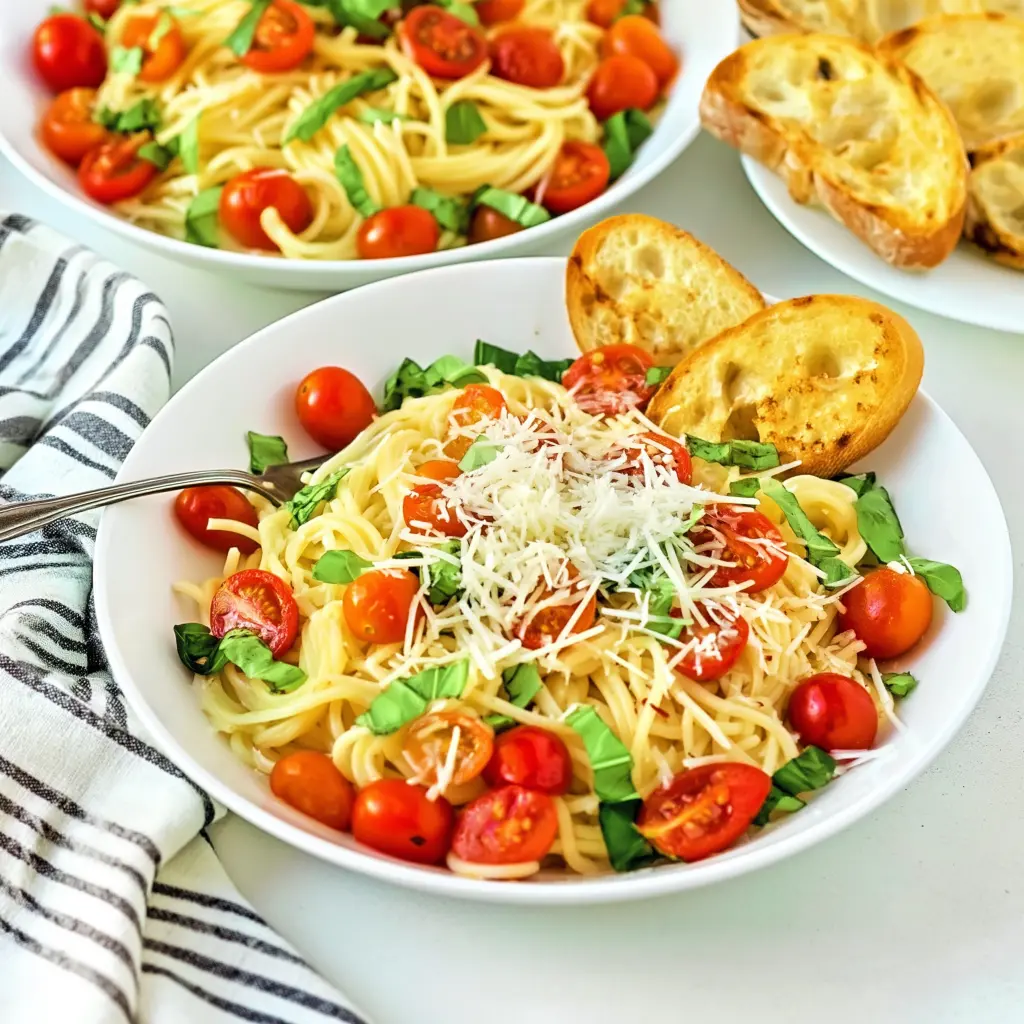
The ingredient list is short, and that is one of the best things about bruschetta pasta. Cherry tomatoes are a good fit because they are naturally sweet, easy to quarter, and hold their shape well once tossed with the hot pasta. Onion adds a little sharpness that cuts through the sweetness of the tomatoes, while garlic brings the classic bruschetta flavor people expect.
Fresh basil matters here. Since the sauce is really a tomato mixture instead of a cooked-down red sauce, basil is not just a garnish. It is one of the main flavors in the bowl. Olive oil helps coat the pasta and tomato mixture, and balsamic vinegar adds that familiar tangy note that gives bruschetta its signature taste.
Parmesan rounds things out at the end. It gives the finished bruschetta pasta enough saltiness and depth to feel dinner-worthy, not just light and fresh.
How to make bruschetta pasta
This recipe begins the same way many pasta dinners do, with a pot of salted boiling water. Cook the farfalle according to the package instructions until tender. While that happens, you build the tomato mixture in a large bowl.
That mixture is where bruschetta pasta gets its personality. The quartered cherry tomatoes, chopped onion, minced garlic, torn basil, olive oil, balsamic vinegar, salt, and black pepper all go together at once. There is no separate pan, no cooking step, and no need to wait for anything to reduce. The ingredients simply sit together long enough to start mingling while the pasta finishes.
Once the pasta is cooked, drain it and return it to the hot pot. That detail helps more than it may seem. The warm pot and hot pasta take the edge off the rawness of the garlic and onion just enough. They also warm the tomatoes slightly, which helps the olive oil, tomato juices, and balsamic coat the pasta more evenly.
Add the tomato mixture to the pasta and toss until well combined. You want the tomatoes distributed throughout the pot rather than sitting in one wet layer at the bottom. If the mixture looks a little loose at first, keep tossing. The pasta will catch the juices.
Bruschetta pasta is best served right away, while the contrast between warm pasta and fresh topping is still at its best. Finish with parmesan on top of each serving so the cheese stays noticeable.
Recipe Tips
The biggest tip for bruschetta pasta is not to overthink it. Since the recipe depends on freshness, it does best when the ingredients are cut, mixed, and used without a lot of extra handling. Use ripe tomatoes, fresh basil, and good olive oil, and the recipe already has what it needs.
It also helps to season in layers. Salt the pasta water, then season the tomato mixture to taste. Because tomatoes can vary in sweetness and juiciness, tasting before serving is one of the smartest steps in the whole recipe.
Another good tip is to toss the pasta while it is still hot. That warmth softens the tomato mixture slightly and brings the flavors together without cooking them down. If the pasta cools too much before mixing, the finished dish can feel a little less cohesive.
Finally, tear the basil rather than chopping it too finely. Bigger pieces give the finished bruschetta pasta a fresher look and a more noticeable basil flavor.
Substitutions & Variations
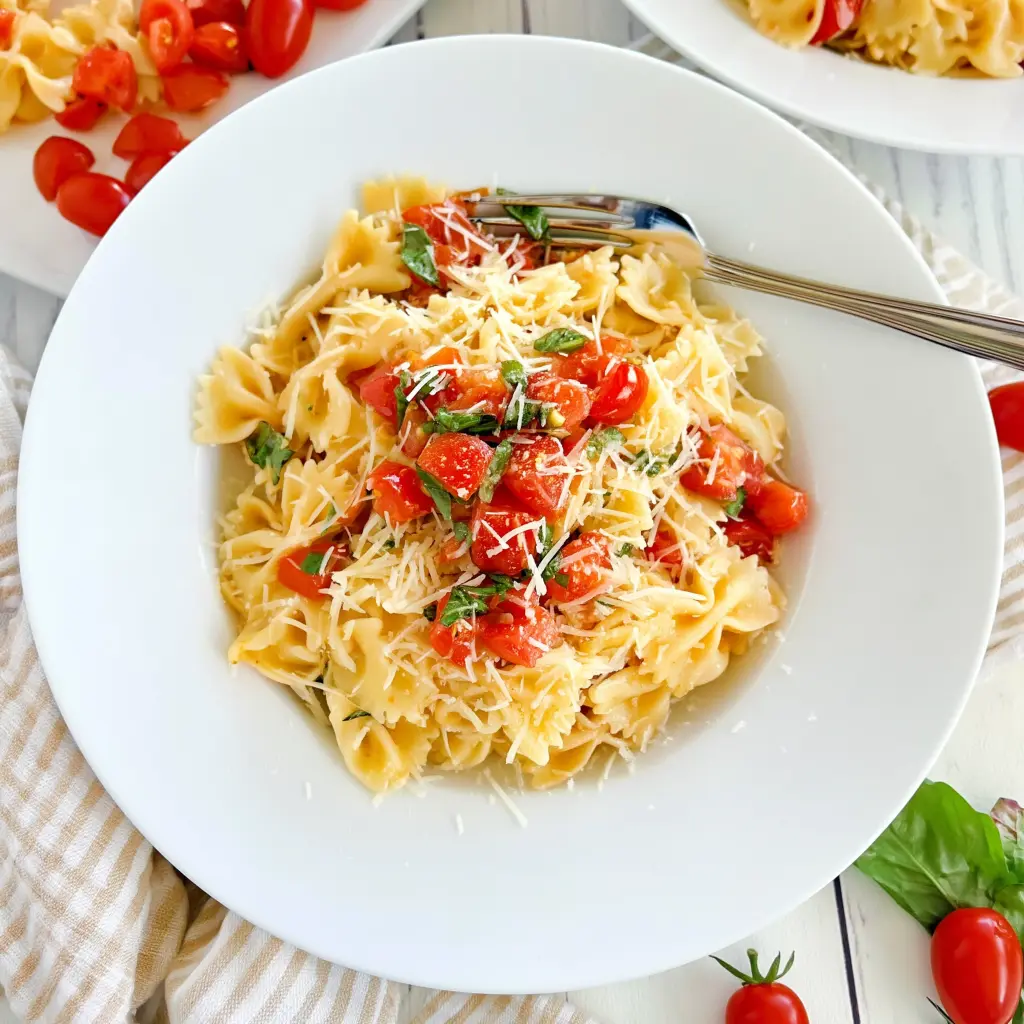
Even though bruschetta pasta is best when kept close to the original idea, there is still room to adjust it. You can stay with farfalle or use another pasta shape that catches the tomato mixture well. Short pasta shapes tend to make the dish easier to serve and easier to eat.
You can also change the cheese at the table if needed, or hold the cheese back for anyone who wants the bowl without it. Since the base is tomato, basil, garlic, olive oil, and balsamic vinegar, the dish still feels complete even before the parmesan goes on.
For a stronger tomato flavor, let the mixed tomato mixture sit for a few minutes while the pasta cooks. That gives the salt time to draw out some juices, which helps form a light coating once everything is tossed together.
Serving Suggestions
Bruschetta pasta is one of those dishes that can stand on its own or work as part of a larger meal. For lunch, it is often enough by itself because it already has starch, cheese, and plenty of fresh tomato flavor. For dinner, it pairs nicely with a crisp salad, roasted vegetables, or warm bread.
It is also a smart dish for casual meals with friends because it looks colorful without much extra effort. A shower of parmesan on top and a few extra basil leaves are often all it needs to feel finished.
If you are serving bruschetta pasta in warm weather, try bringing it to the table right after tossing. That is when the texture feels most balanced and the tomatoes still taste especially bright.
Leftover Storage & Reheating
Bruschetta pasta is at its best fresh, and that is worth remembering before you make a huge batch. The tomatoes release more juice as they sit, and the pasta will soak some of that up in the fridge. The leftovers can still be good, but the texture shifts from fresh and lively to softer and more settled.
Store leftovers in the refrigerator and eat them within a few days. Reheat gently if you want it warm again, just enough to take the chill off without fully cooking the tomatoes. You can also add a little fresh basil or a bit more parmesan when serving leftovers to wake the bowl back up.
Because the recipe is quick, bruschetta pasta is one of those meals that often makes more sense to prepare fresh rather than plan for freezing. Its strength is how lively and immediate it tastes right after mixing, and that freshness is what makes the dish so appealing in the first place.

- 15-Minute Chicken Caesar Wrap - May 11, 2026
- Nutella Stuffed Cookies - May 10, 2026
- Honey Glazed Salmon That Makes Dinner Feel Easy - April 28, 2026